This post will be a brief overview of my experience as a guest at Boston’s Hope Lodge. When I was planning all the details before transplant, I knew that staying nearby afterward would probably be in my best interest, both for convenience and for safety.
The Hope Lodge offers free housing for patients receiving treatment and their caregivers. Given how expensive hotels in Boston can be, even with treatment center discounts, this was a welcome prospect.
I’ll be breaking this post into sections to make it easier to follow along. We’ll go over the check-in process, the amenities, the day-to-day experience, the community aspect, and finally, my own thoughts on where the Hope Lodge excels and where it falls short for transplant patients.
Let’s get started.
Disclaimer: This post reflects only my personal experience and feelings from my stay at The Hope Lodge in Boston and should not be read as an objective review.
Checking In
Our stay at the Hope Lodge began after a nearly two-week stay at the Homewood Suites in Brookline. I was cleared for discharge from the hospital sooner than expected, earlier than the date I’d given the Lodge before transplant.
Because of that, they weren’t able to accommodate us right away, so we took advantage of Dana-Farber’s partnership with the Homewood Suites and booked a discounted room for that stretch of time.
When the agreed-upon date arrived, we were finally able to transition over to the Lodge. The check-in process begins at 3 p.m. most days. Upon arrival, you’ll need to be buzzed into the building. From there, you’ll meet with a staff member who will begin the check-in process.

It’s a bit more involved than a normal hotel check-in, as you’ll need to sign a few liability waivers and a lodging agreement. There’s nothing out of the ordinary in either document, just common-sense rules and expectations for living in a community-style space.
If you have a vehicle, you’ll need to provide the staff with your license so they can make a copy and issue you a parking pass. If you don’t have a vehicle, that’s okay too as the Lodge offers transportation to and from most major hospitals in the area. The process is straightforward: you just fill out a form in the lobby at least one day before your appointment so the transportation staff knows where you need to go.
Once all the clerical details are handled, a staff member will give you a quick tour of the grounds. They’ll show you your designated kitchen areas, the extra amenities, and finally, your room — where you can start to unpack and get settled in.
Amenities
Your room won’t differ much from a standard hotel room. It has the essentials, and that’s about it. The Lodge puts a stronger emphasis on community, so they don’t encourage spending all your time in your room, and in fact, you’ll need to leave it to do much of anything.
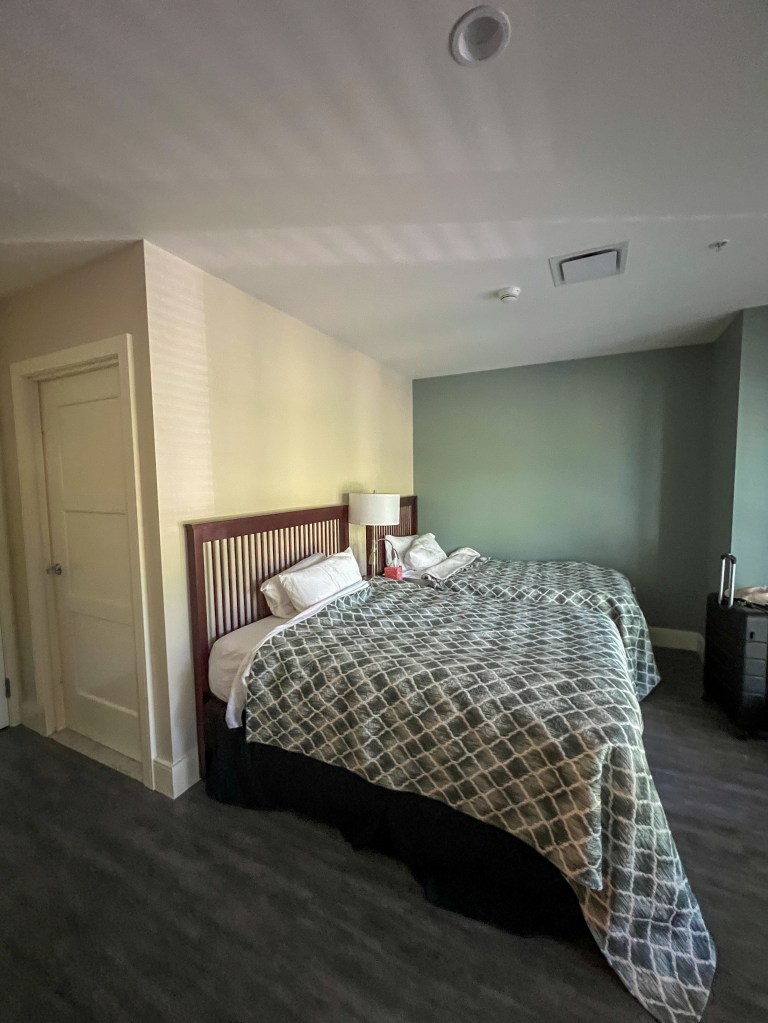
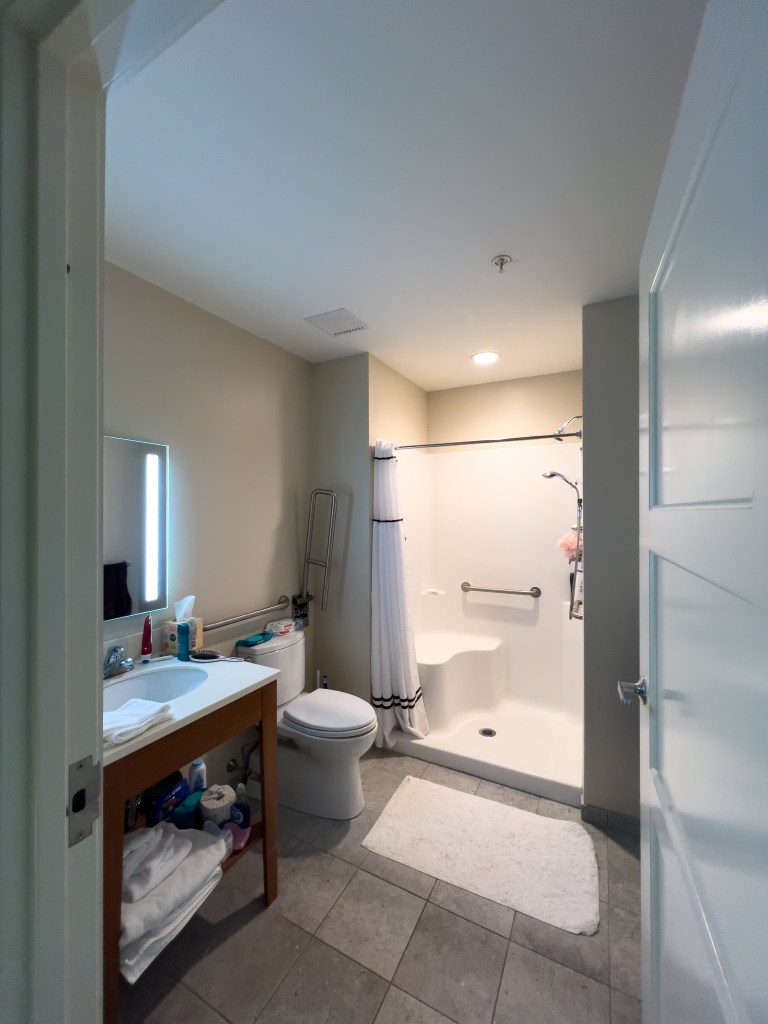
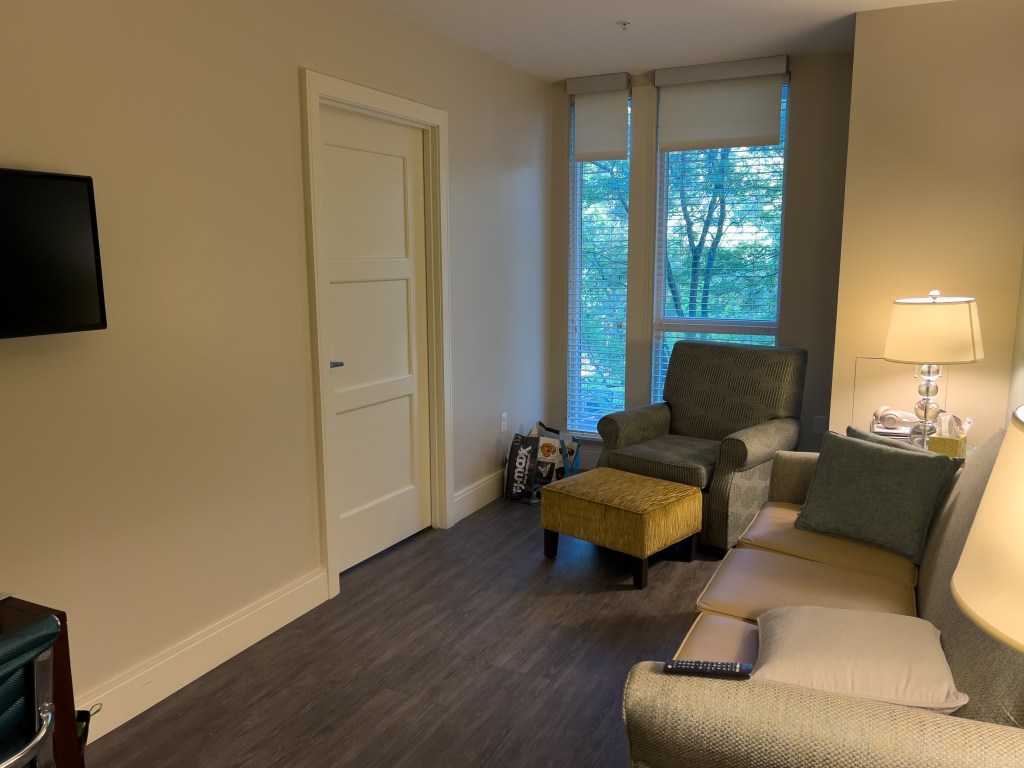
Whether that’s a good or bad thing depends entirely on the type of person you are. I’ll save that discussion for later, though. The Lodge offers many shared spaces for residents, including the kitchens, laundry room, library, TV/movie room, a gym, and outdoor areas where you can grill, eat, or simply relax.
Overall, the amenities are great. The kitchens have all the utensils and cookware you could ever need, the laundry machines work well, the library has plenty of books if you didn’t bring your own, and the outdoor spaces are quite nice.
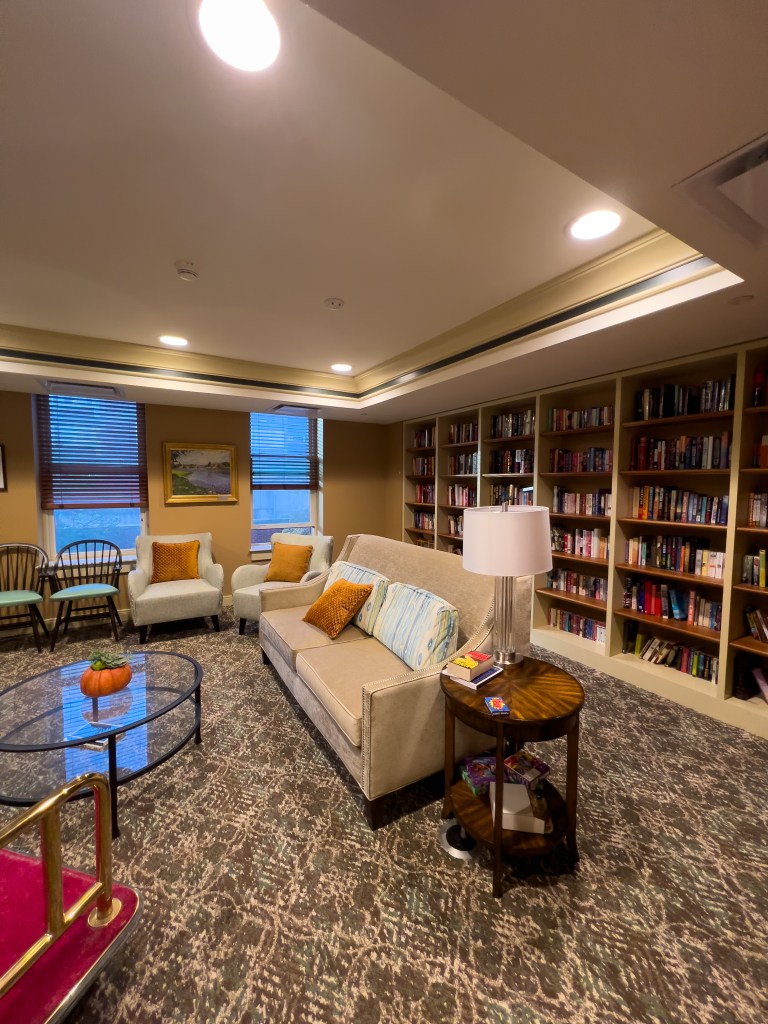
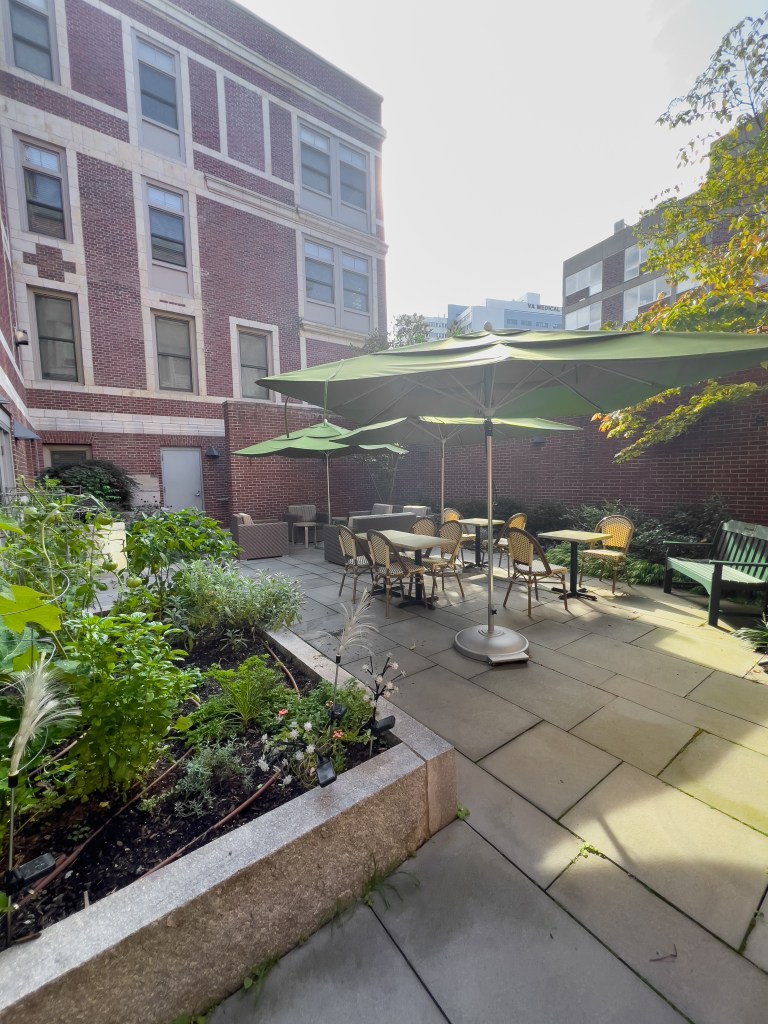
One area that left a bit to be desired was the on-site gym. It was pretty bare bones, which, in a way, makes sense, since most people staying there are in the middle of treatment. Still, if you’re expecting a fully fleshed-out gym, it’s best to temper that expectation.
Day-to-Day Life
Settling into a routine at a place like the Hope Lodge takes a few days, but eventually you adjust to the rhythm of it.
We learned pretty quickly that our schedule would revolve around when we ate. It might not sound like much, but I was still very early in my recovery, and being in a crowded kitchen or dining room wasn’t in my best interest. Because of that, we found ourselves eating at slightly odd hours, times when we knew our assigned kitchen wouldn’t be too busy.
It took a few days to get the rhythm of kitchen life down, but once we did, we mostly managed to avoid the crowds. The same approach applied to nearly everything else. Because of my weakened immune system, we tried to steer clear of much of the Lodge’s community activities, and our schedule adapted to make that work.
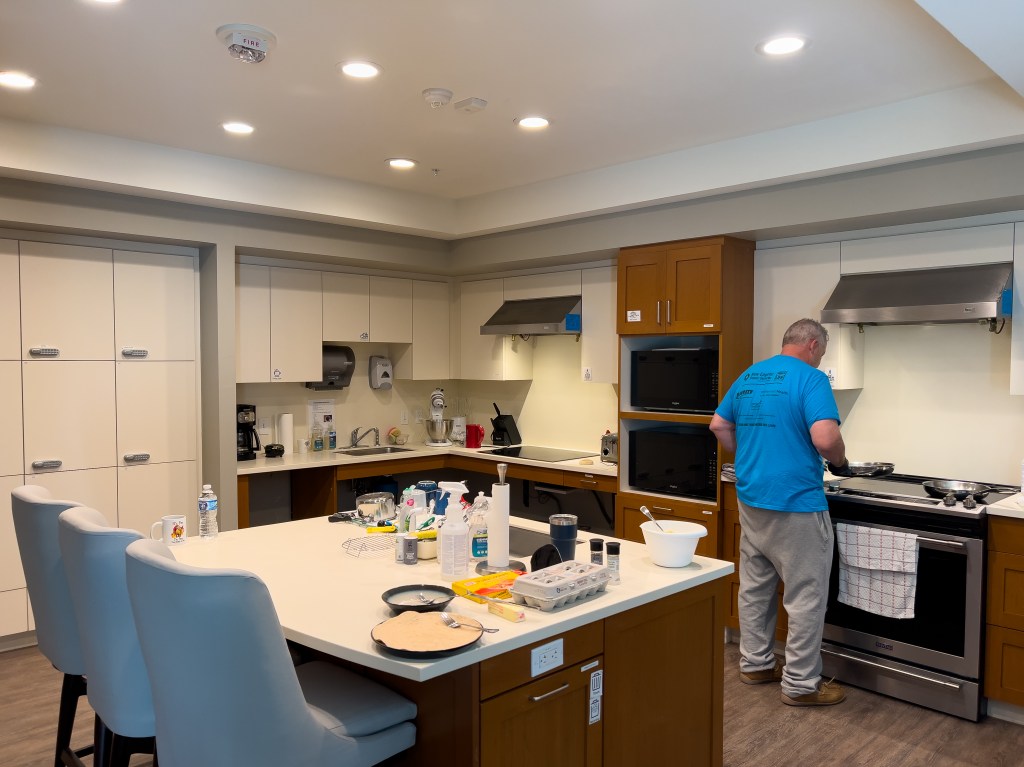
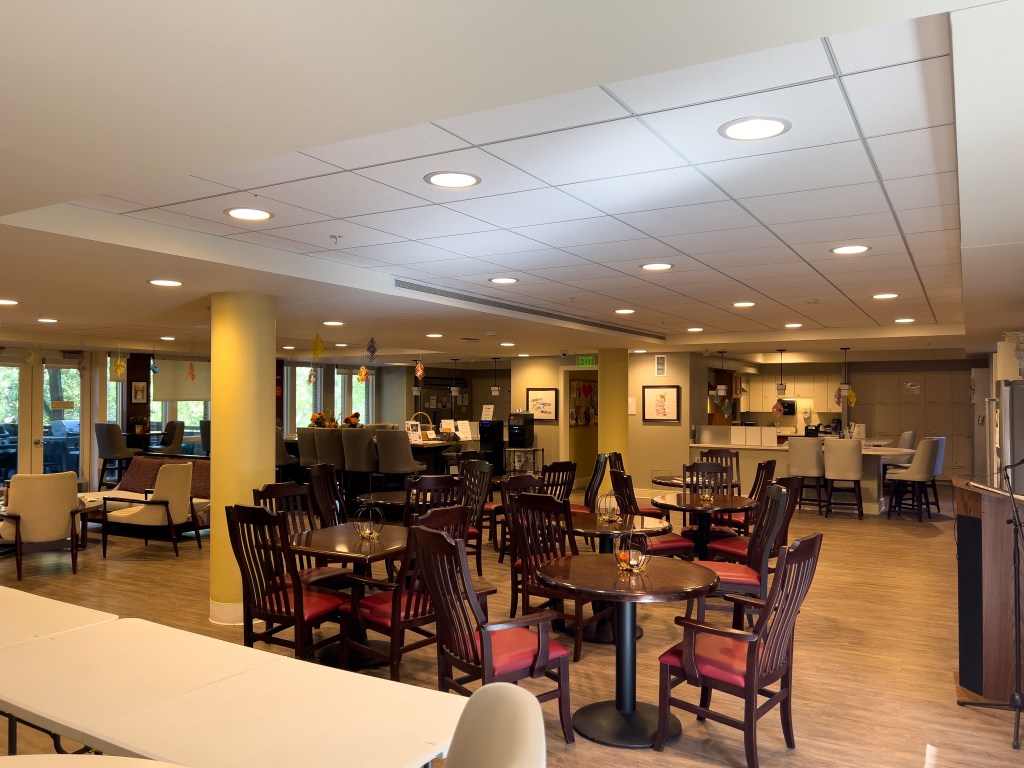
In between meals, we kept ourselves busy with books and mindless television. Most days, aside from clinic visits, were carbon copies of one another. Not always the most fun, but boring days are a blessing when you’re recovering from something as drastic as a stem cell transplant. You quickly learn that boring is better than almost anything else in that regard.
One pro of not having a kitchen or anything in your room though is that you’ll get a fair amount of steps each day just moving around the grounds trying to access everything. At that point, I was still building my walking strength/endurance back up, so I was able to get in a good amount of exercise everyday that way.
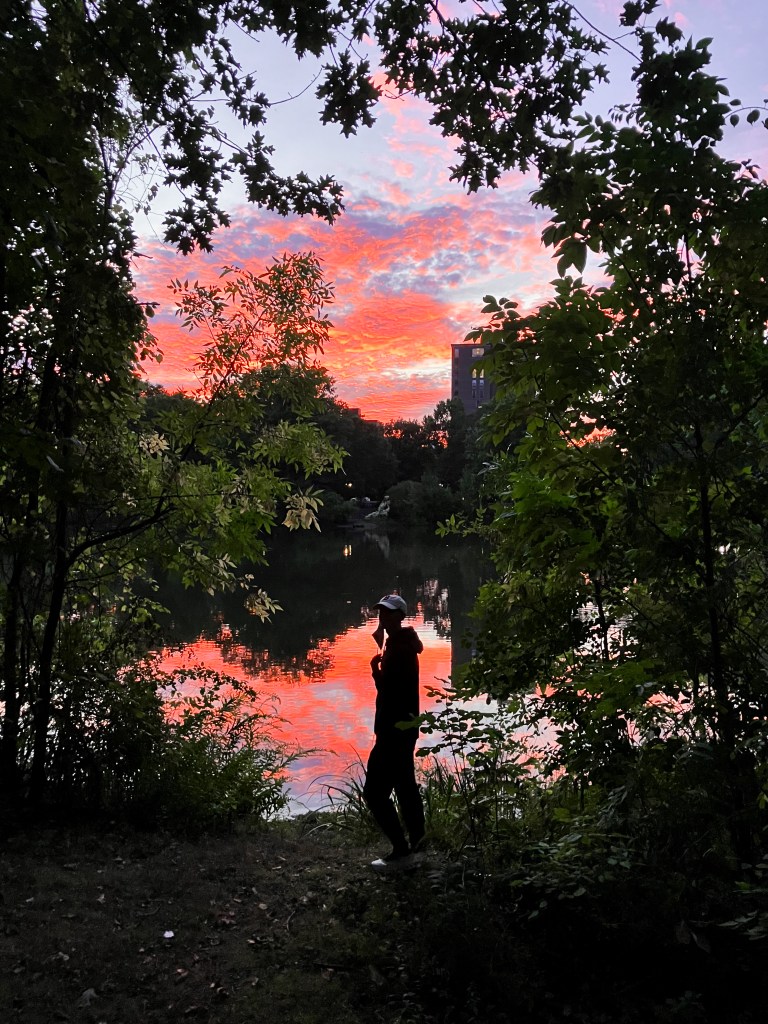
In the evenings, we’d usually go for a longer walk. One of the best parts of the Boston Hope Lodge, in my opinion, is its proximity to Olmsted Park. It’s a short walk to the park, and once there, you’re met with a welcome break from the city’s hustle. There are plenty of trails and open areas to explore, and it was such a relief to have that option, especially after spending much of the previous month indoors.
Community Living
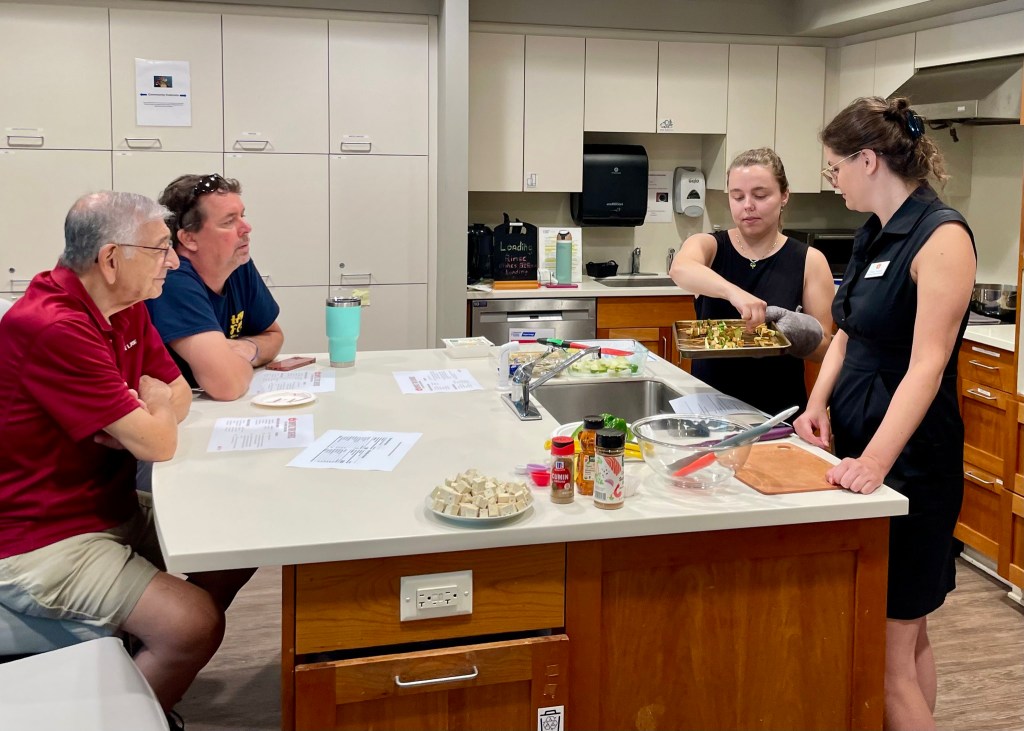
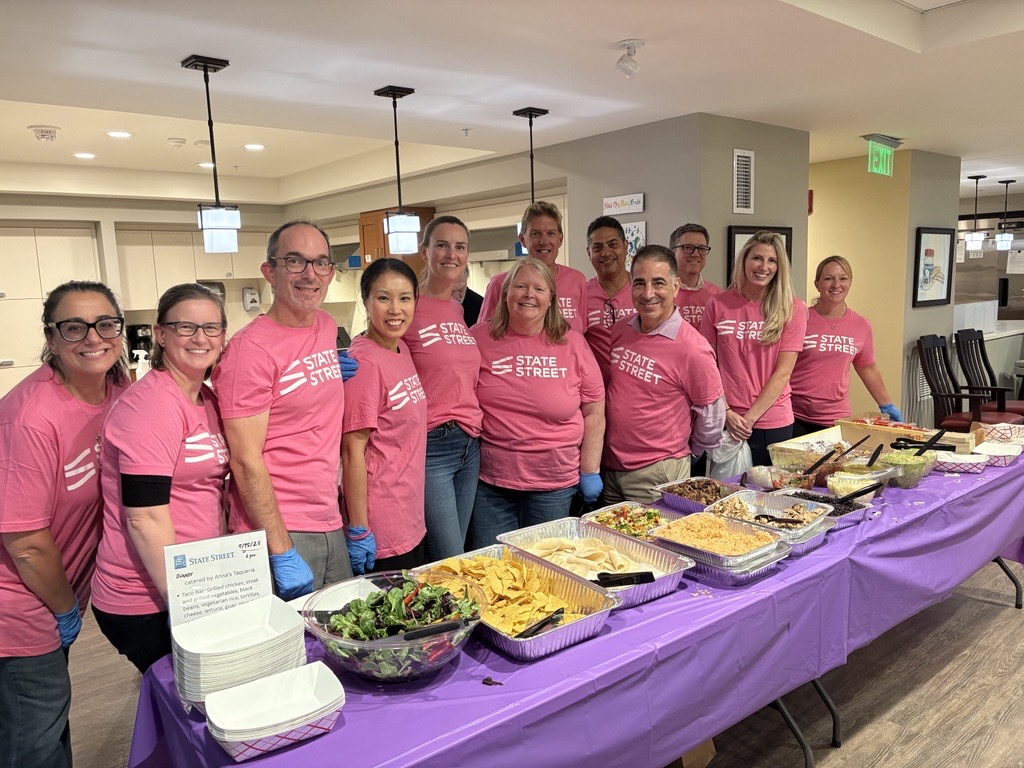
I touched on it earlier, but much of life at the Lodge, for better or worse, is community-based. One of the coolest things the Lodge offers is community events in the kitchen. During our two- to three-week stay, they held community meals at least two to three times a week. These events involved either catered meals from local restaurants or crews coming in to prepare a themed meal for all the residents.
On those nights, the kitchens were absolutely packed. The Lodge did a great job of bringing people together, and the volunteers were some of the kindest people we met during our stay.
The mood in the kitchen on those nights was often much lighter, and it was clear that most guests looked forward to it week after week.

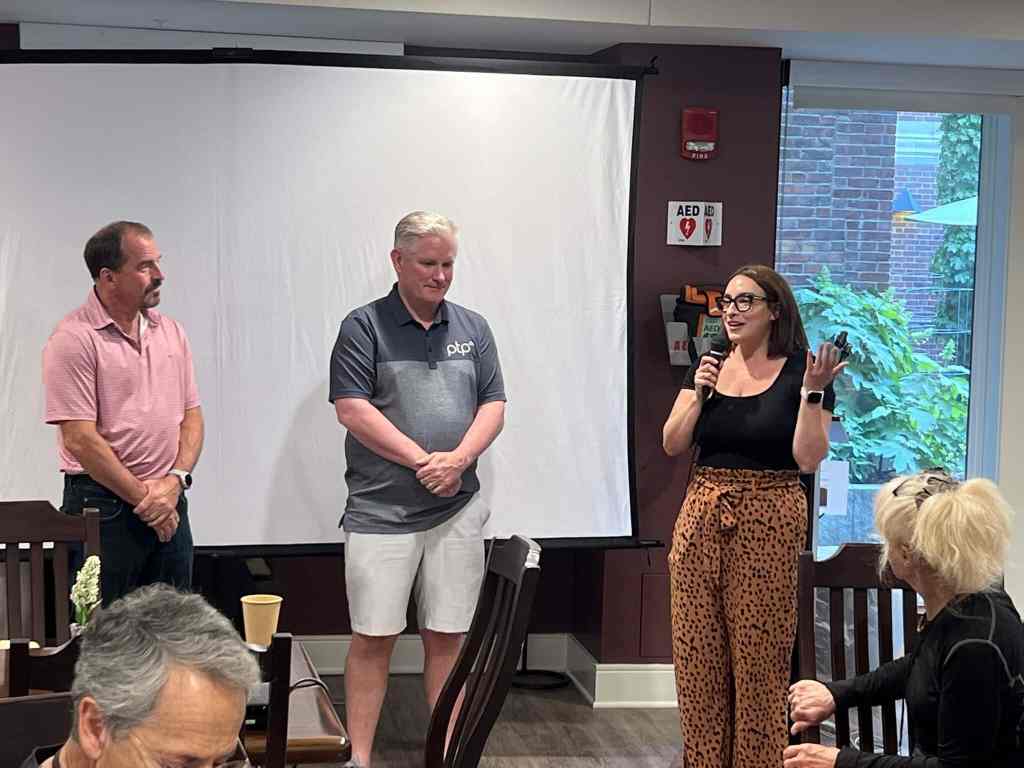
Every aspect of staying at the Lodge encourages residents to coexist. Whether it’s the community get-togethers, shared kitchens, or entertainment spaces, you’re encouraged to befriend others. There’s a real sense of hope and courage that comes from spending time with people facing similar, difficult challenges.

That being said, the communal aspect can also feel heavy. I personally struggled with it. Every time we went down to eat or do anything else, it seemed like everyone was sharing their ‘war stories.’ As someone sharing my story here, I know it can be deeply comforting to tell others what you’re going through; it has been therapeutic for me in more ways than one.
But when you’re physically and mentally compromised, as most people are during treatment, it can be exhausting to be constantly surrounded by discussions of treatment, prognosis, and cancer. Trying to rebuild a sense of normal while being constantly reminded of what you’re actively trying to move past is incredibly challenging.
I also mentioned earlier that your experience will be shaped not just by your medical situation, but also by your personality. Personally, I’m much more introverted than extroverted. This made it harder when people approached to ask about your health and life story. It was a lot to manage and often anxiety-inducing whenever we left the comfort of our room.
But if you thrive in that sort of environment, the Lodge offers many daily opportunities to connect with others. I can see how that could benefit people and be one of the main appeals of staying here. Having a built-in community can lighten the mental and physical load of treatment if your personality gravitates towards wanting that.
Transplant Patients
Lastly, I’ll share the pros and cons of staying here as a transplant recipient. This is my situation, so it’s the only perspective I can share.
The Lodge has many benefits, with cost, or the lack of it, being a major one, especially if that’s a concern coming into your transplant. I cannot overstate how freeing it was to not have to worry about expenses and simply focus on my recovery. I’ll always be grateful for that.
Unless you live close to your treatment center, there will always be some sacrifices when considering lodging post-transplant. I consider many of the drawbacks I experienced at the Lodge to be exactly that: sacrifices. No place is perfect; you just have to do your best to follow your team’s guidelines wherever you find yourself.
At the Lodge, I was more concerned about exposure to others and the cleanliness of shared spaces. During our hotel stay, I didn’t worry as much because we had more control over our living situation. At the Lodge, you give up a lot of that control. Not everyone will have the same health guidelines to consider, so you and your caregiver really have to be on the ball.
While the community meals were great, transplant patients often can’t participate due to the risks from the number of people and food handling. On those nights, we had to be mindful of the event times to stay clear of the kitchen and dining area before people arrived.
These events also used one of the kitchen areas, which made meal prep more difficult if the incoming crew used your designated kitchen before the event.
Ultimately, it comes down to mindfulness if you choose to stay at the Lodge as a transplant patient. I think the benefits outweigh the downsides, but be prepared to adjust and work around the community-based lifestyle that the Lodge has.
Final Thoughts
The Hope Lodge gave me a place to stay during one of my lowest points, and I will always be thankful to them for that. If any of the drawbacks sounded like complaints, that wasn’t my intention.
I just wanted to paint a clear picture; doing otherwise would be a disservice to anyone considering a stay at the Boston Hope Lodge or another one of the Hope Lodge locations.
The staff was fantastic, the common areas were well kept, and the lodging more than met our needs. We adjusted to my specific restrictions without much trouble and made the best of our time there.
Talk Soon,
– Ethan
Resources
External links directly referenced in this article:
- https://www.cancer.org/support-programs-and-services/patient-lodging/hope-lodge.html
- https://www.dana-farber.org/patient-family/planning-your-visit/lodging
- https://www.emeraldnecklace.org/park-overview/olmsted-park/
- https://ptp.cloud/hope-lodge-boston-2024/
- https://www.facebook.com/HopeLodgeBoston/
- https://www.cancer.org/support-programs-and-services/patient-lodging/hope-lodge/boston.html
 Long Way From Home
Leave a comment