Day +200! January and February have always felt like tougher months to get through for me, but I’m happy to say I’ve actually quite enjoyed the last month or two.
Things have been going well, and compared to the last Field Note, there isn’t nearly as much to discuss today, which I think is a good thing!
That said, I decided to delay this post slightly to make sure I could include the results from my six-month post-transplant biopsy, which took place on day +190. I didn’t want to leave you with a cliffhanger like I did last time just because the results didn’t arrive in time for the post.
So, rambling aside, let’s dive in.
Disclaimer: Every stem cell transplant experience is different. This is mine.

Medical
Blood Counts
To keep things consistent, we’ll start with an overview of where my blood counts currently stand. In the last update, I expressed enthusiasm about feeling like my counts were finally starting to climb in earnest. That optimism was short-lived. Below are screenshots showing where all my main cell lines stand as of day +190.
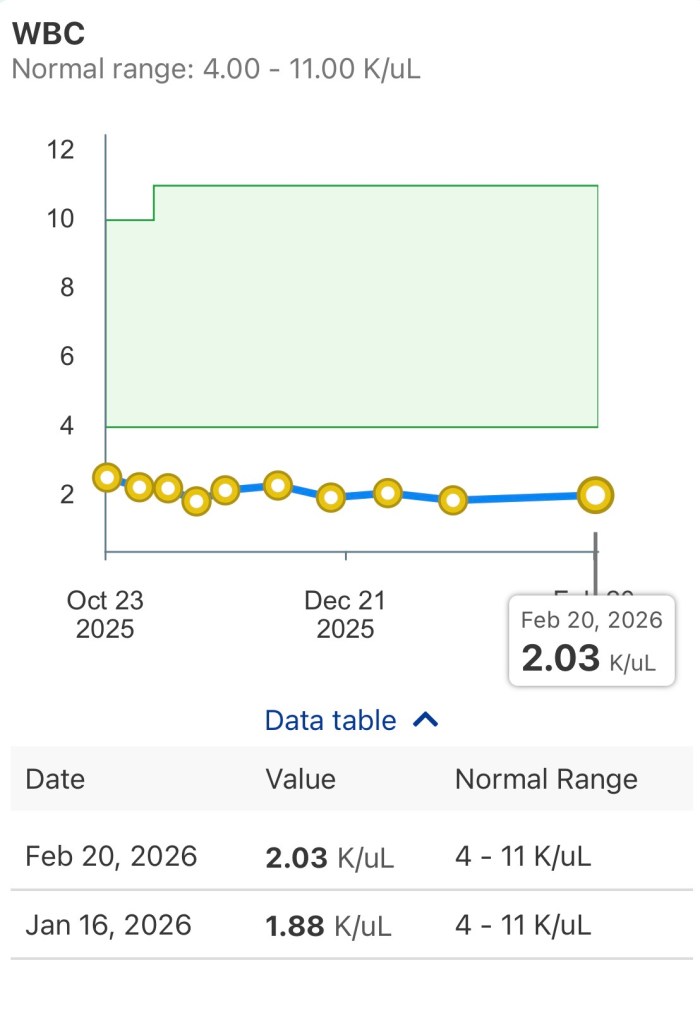
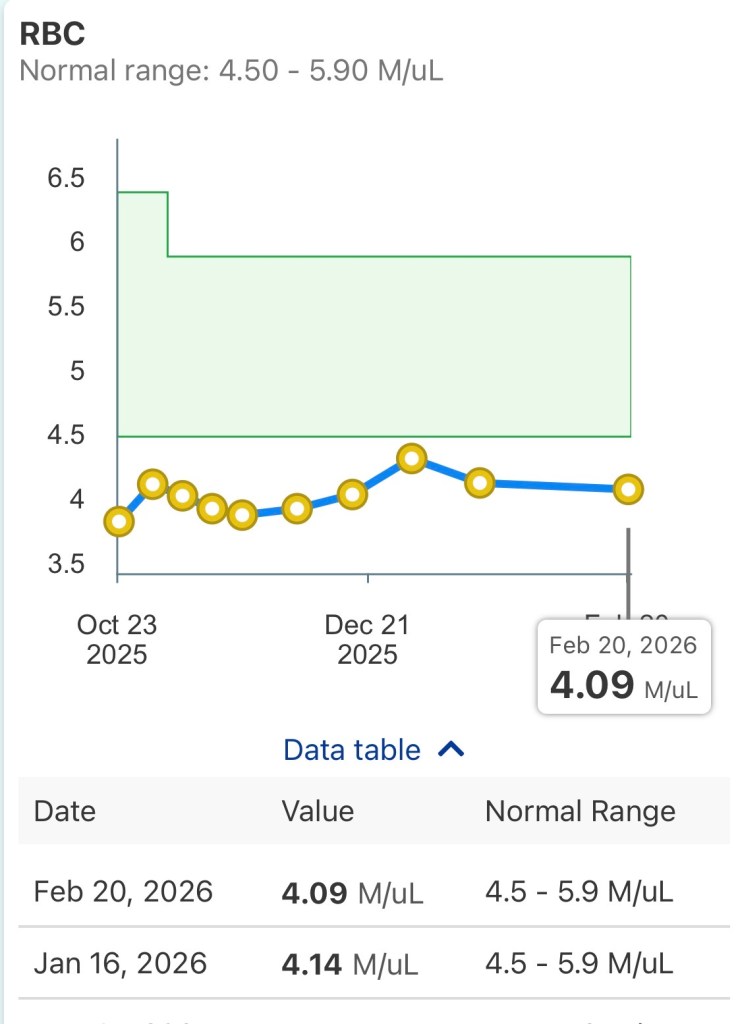
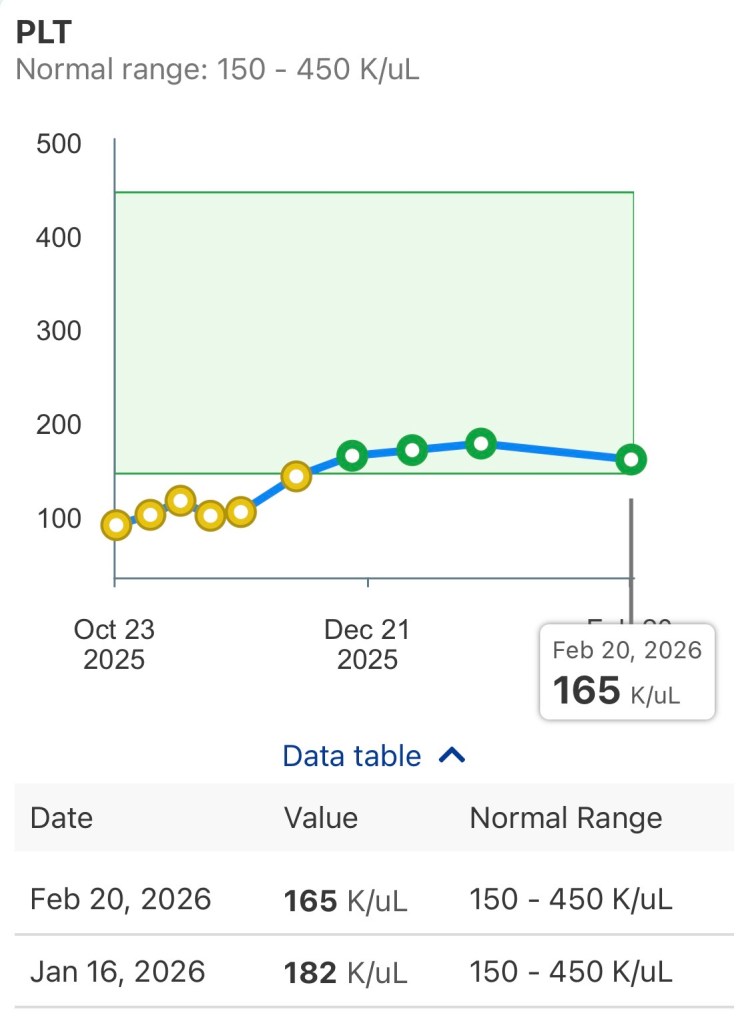
More or less stable, but slightly down in my red blood count and my platelet count. When I expressed some frustration at my appointment about this, my doctor reassured me that stability is better than anything right now, and I couldn’t help but agree.
Now that my appointments are once a month, I think I got in my head about the jump in counts I could see and set myself up a bit for disappointment. Moving forward, I am going to try and do a better job at tempering my own expectations.

While it may seem obvious to everyone else, it took my doctor reminding me that the “normal” range MyChart displays for your counts is based on people with similar demographics, not necessarily people who just had a stem cell transplant. Because of that, comparing your own counts to that range this early post-transplant is largely a fool’s errand and should be taken with a huge grain of salt.
As my transplant continues to settle in, my counts may climb more, or they may not. This could be my new “normal.” Only time will tell, but we aren’t actively concerned about the lack of movement right now.
Biopsy Results
I was nervous about this one, I’m not going to lie. I’ve been nervous about all of them, of course, but I had reasons to believe the chances of receiving good results were in my favor this time which made the standard two-week wait feel even longer than usual.
I also knew that where there is hope, there is equal room for disappointment. My hopes were high, and I knew the fall would sting a little more than usual if the results weren’t what we wanted to see.
Luckily, I don’t have to sit here and tell you what that sting felt like, because we received very reassuring results this time around. I’m going to walk you through the pathology, chimerism, and rapid heme panel results, as those three tests summarize where things stand very well.
Starting with the pathology report. All three cell lines are developing normally, my cellularity is ranging between roughly 10–60 percent, with an average of about 30 percent, and there is no dysplasia or increased blasts noted.
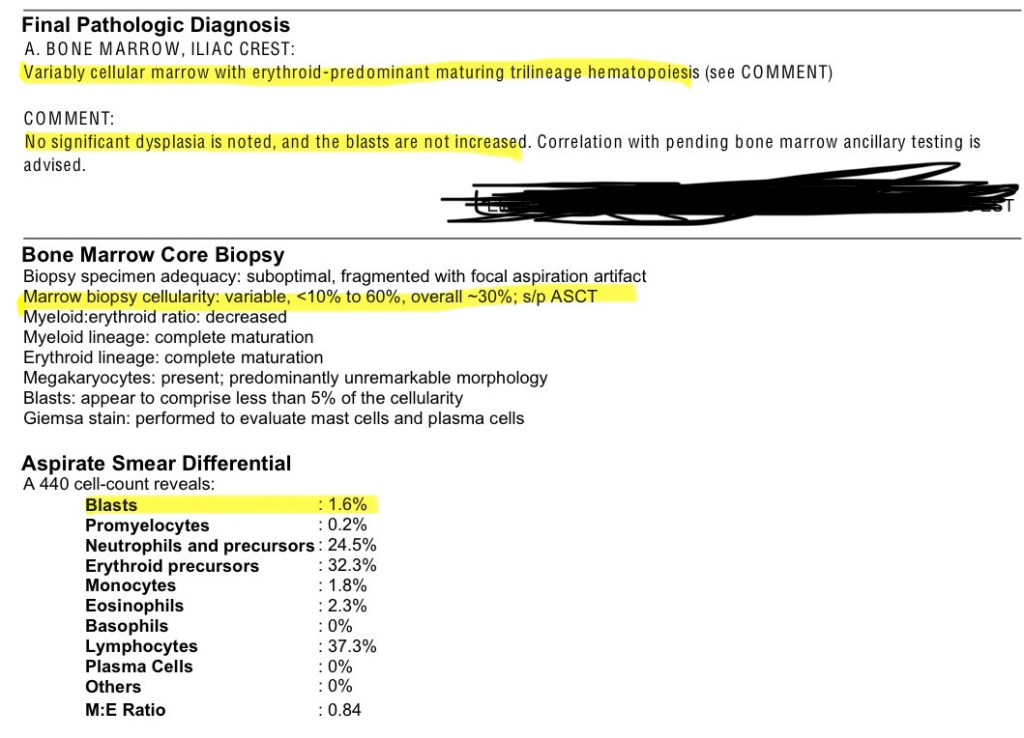
All good things. Very good things.
Prior to transplant, my cellularity was hovering around 15–20 percent and my cells were starting to look pretty abnormal. Fast forward six months post-transplant and my cellularity is climbing, with no signs of a developing MDS or anything like that.
Moving on to the chimerism results. This test measures what percentage of the cells in your marrow sample contain your donor’s DNA. I don’t have a screenshot to include for this one, but per my doctor, both my marrow and my cells are at 100 percent donor, while my T-cells, which make up a key part of your immune system, currently sit at 99 percent.
To summarize, that means almost complete donor dominance right now, which is exactly what we had hoped to see at this point.
Lastly, we have the rapid heme panel results. This is a form of genetic testing developed by Dana-Farber that looks for detectable genetic alterations in your marrow or blood sample.
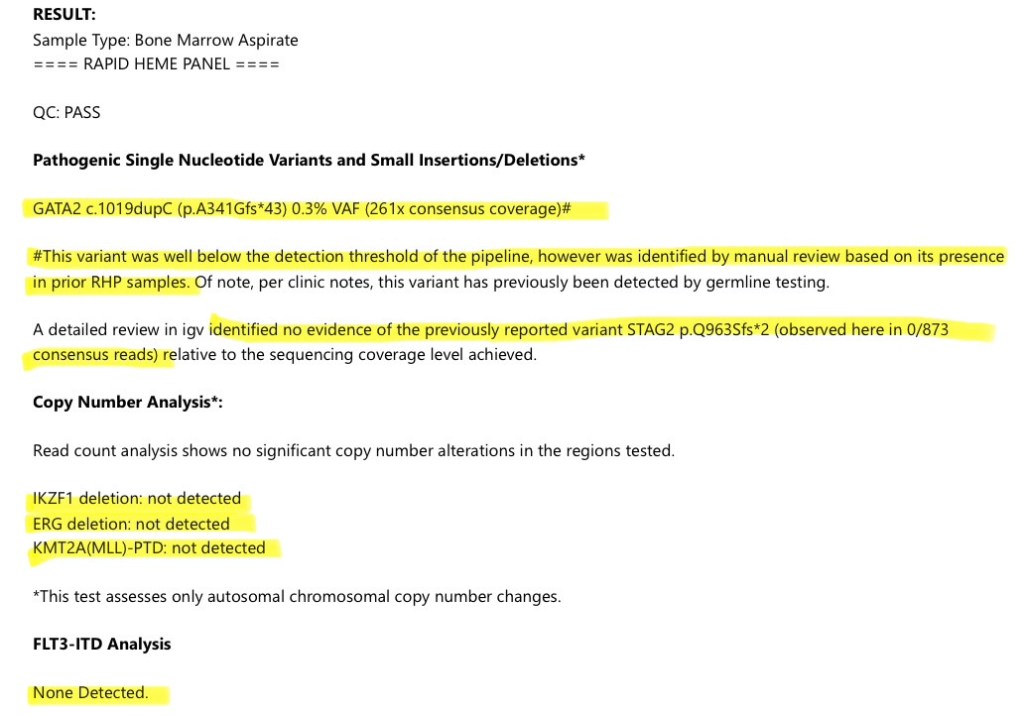
As you can see, the GATA2 mutation was still detected at 0.3 percent. That’s down from the 1.3 percent that was detected during my three-month post-transplant biopsy. A full percentage point drop over the past three months. Prior to transplant, it ranged between 40-55 percent.
Also important to note is the comment that was included on the report itself. The mutation was well below the normal detection threshold and was only identified because they manually reviewed the samples in addition to running them through their automated testing procedure.
Basically, they really had to go looking for it to find any trace at all.
As you can imagine, that made me very happy. Not detectable at all would have been nice, but there’s an important caveat there. This mutation is of the germline variety, meaning it exists in every cell of my body. That 0.3 percent could simply be a small amount of skin, bone, tissue, or something similar that found its way into the sample. It may not be coming from blood-forming cells at all.
And if it is? If the 1.3 percent that was detected last time and the .3 percent detected this time are actually from blood-forming cells? That would mean my new immune system is doing exactly what we hoped it would: bringing out the broom to get rid of all the cells it knows don’t belong.
All of this good news caught me off guard, if I’m being honest. The phrase “if it’s not one thing, it’s another” has rung true for my life since last January, so receiving a batch of genuinely positive news like this almost felt like a setup. I kept waiting for the “but,” but this time it never came.
The plan right now, assuming my recovery continues trending this way, is to repeat the bone marrow biopsy around the one-year mark in August. By then, my immune system should have had enough time to complete the sweep, and the hope is that there will be no detectable GATA2 when we get those results back.
Time will tell, of course. But in the meantime, I can breathe a little easier and focus on living my life for a little while.
A gift.
Physical
Issues
Thankfully, the list of issues I’ve been dealing with hasn’t changed much over the last month or two, but a few lingering things are still present.
The first is the swelling I’ve been experiencing in my legs since around day +80. It started right around my return to work, which makes sense, as I went from being mostly sedentary on the couch or in bed to sitting upright at a desk for 8+ hours a day.
The swelling aligns with what you’d expect from a typical edema. It’s not painful and goes away after a couple of hours of keeping my legs elevated. It doesn’t affect my day-to-day life, but it is noticeable and something we’re keeping an eye on still.
Transplants have been known to mess with the effectiveness of your lymphatic system, so I imagine the swelling will continue until my lymphatic system has had a little more time to settle and is able get more efficient at maintaining the fluid balance throughout my body. Right now, it’s just a bit sluggish.
The second mildly persistent issue that I am still experiencing is the occasional skin redness in certain areas. I hesitate to use the term “rash,” as that implies a level of severity that I don’t feel these spots have reached. While they’re more noticeable in certain lighting, you really do have to look to see them in most cases.
So far, they’ve all been easily treated with a very mild hydrocortisone cream. These reactions are likely a small sign of GVHD, but because they’ve been so easily managed, I see it as a positive indication that my immune system is active and learning its boundaries in its new environment.
As an example, below are two photos of my stomach. I had a flare-up in this area on day +161 and again on day +198. The photo on the left was taken shortly after I noticed the redness, and the one on the right was taken roughly 45 minutes after applying hydrocortisone.
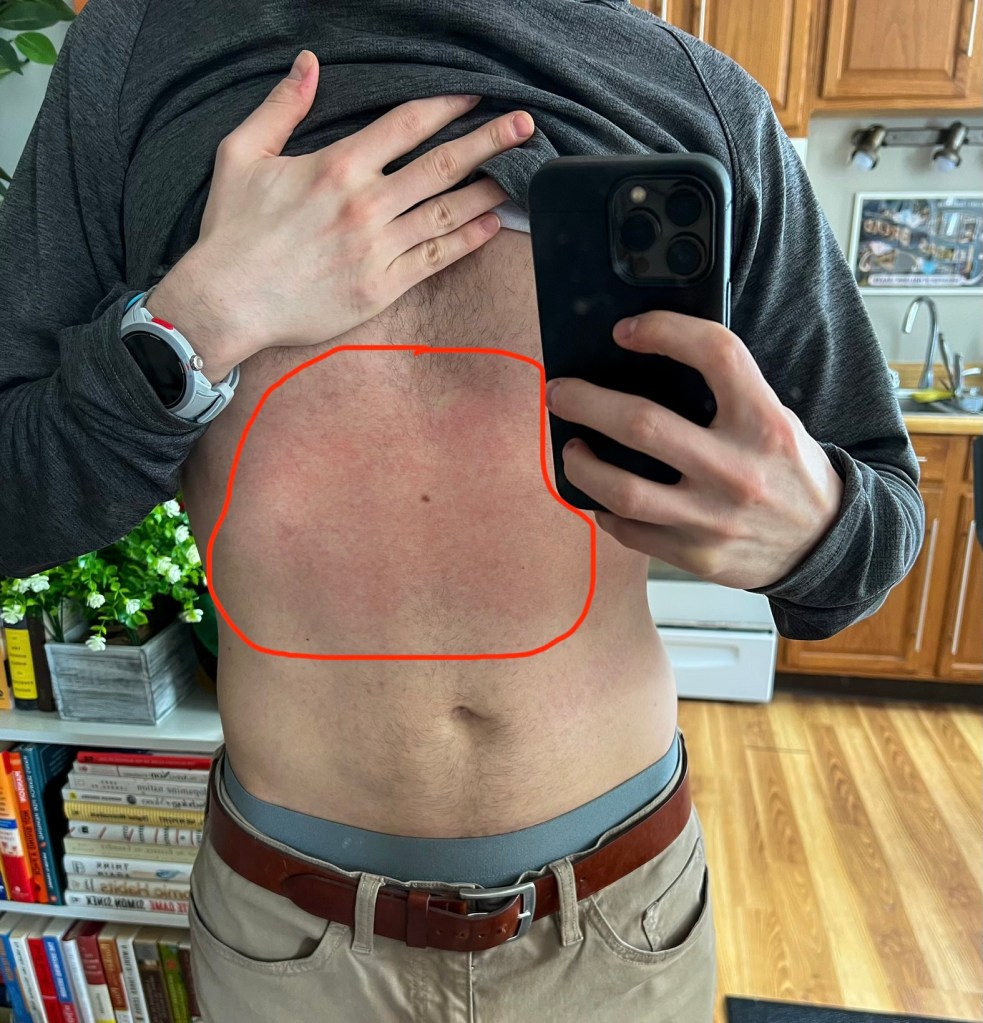
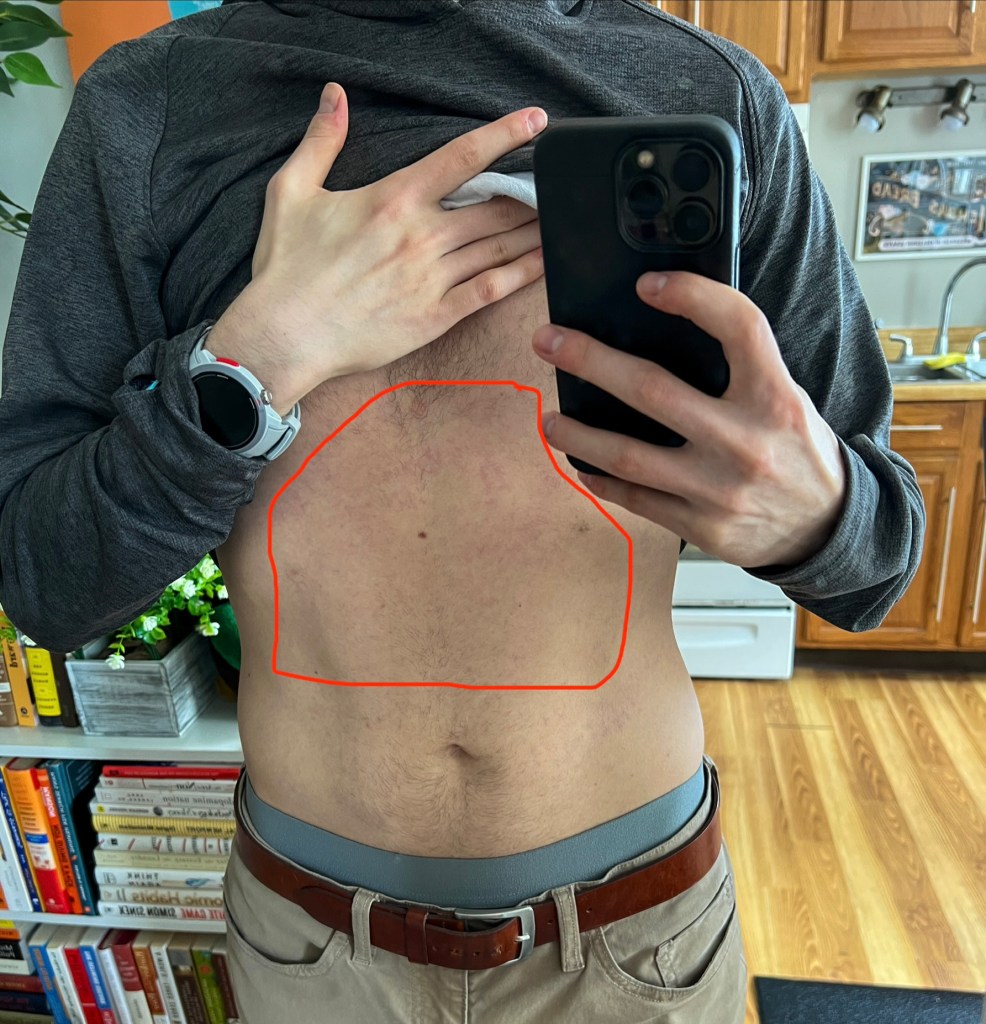
This has been the most “severe” immune response I’ve noticed on my skin, which hopefully conveys that things truly haven’t been that bad. Other areas where I’ve experienced smaller, less noticeable flare-ups include my arms, sternum, neck, face, and behind my ears.

Lastly, not really an issue but more of an observation: my skin has been very dry and a bit flaky in some areas, particularly on my face and scalp. Even liberal use of moisturizers only seems to help so much.
This is likely a combination of the cold, dry weather we’ve been having and general post-transplant skin changes. I imagine it will resolve over time, but I wanted to mention it so it doesn’t come as a surprise to others experiencing similar dryness. It’s not itchy or painful, just fragile and prone to flakiness.
Hair
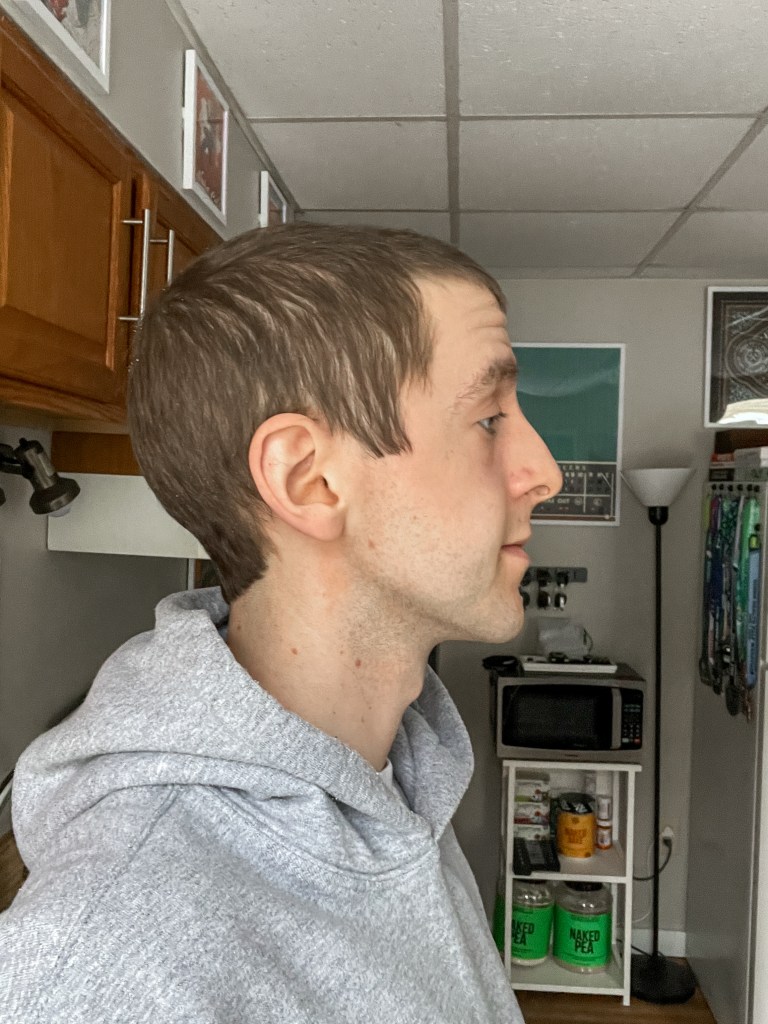
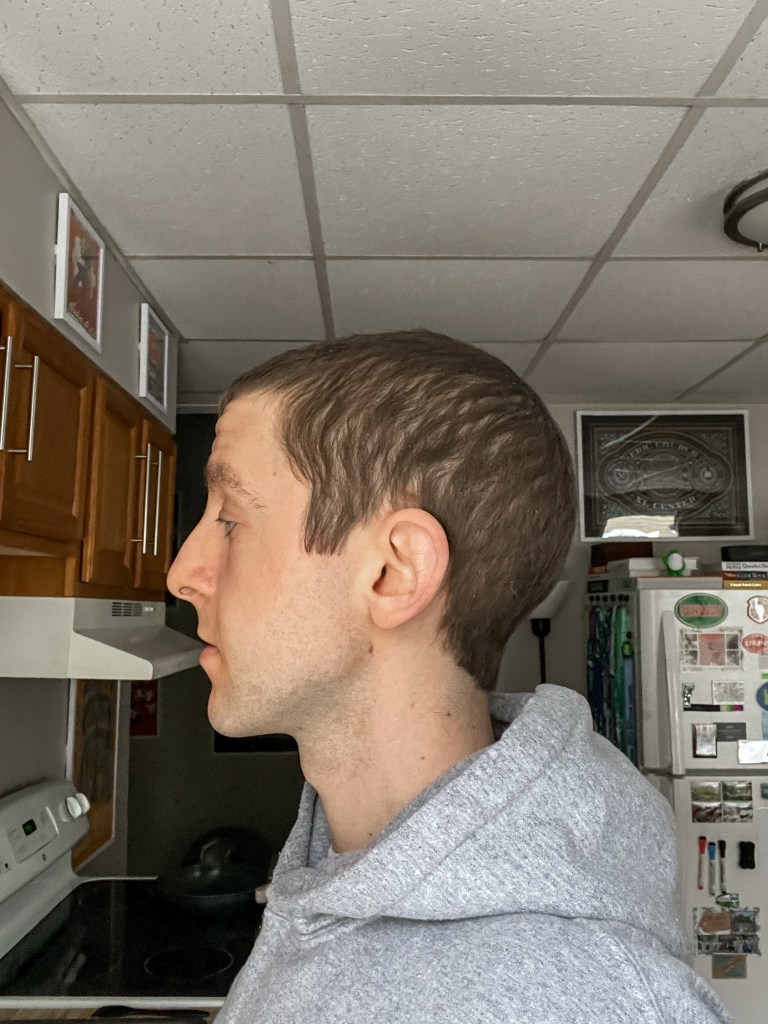
As promised in the last update, here’s another snapshot of where my hair regrowth currently stands. These photos were taken on day +199.
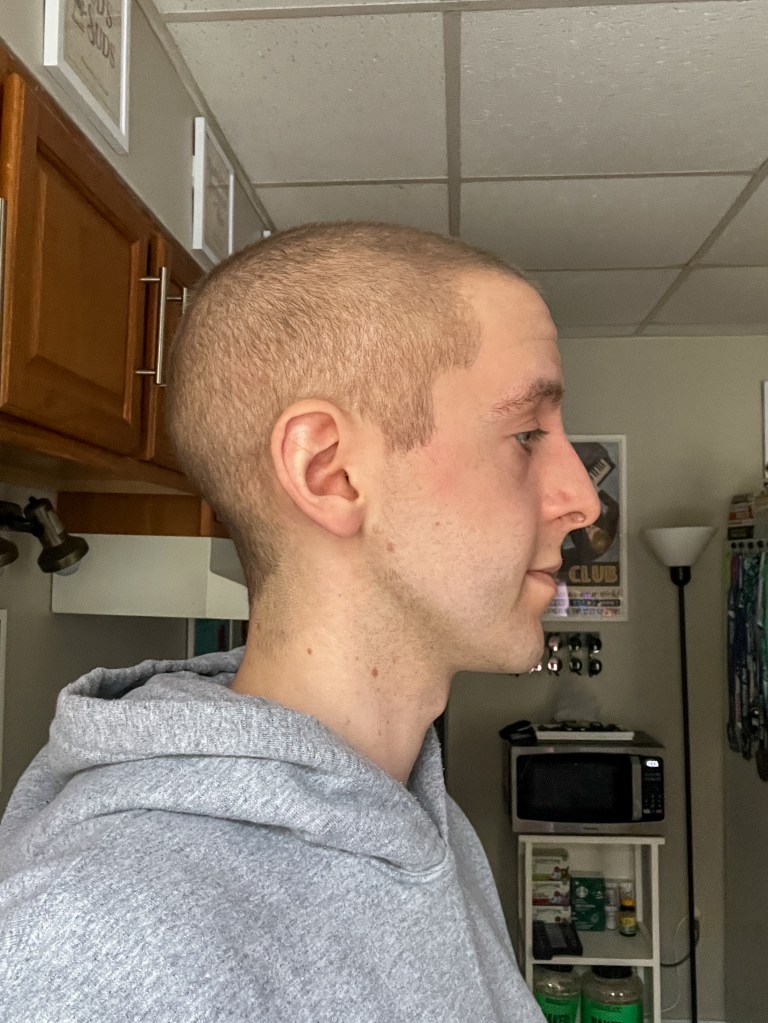
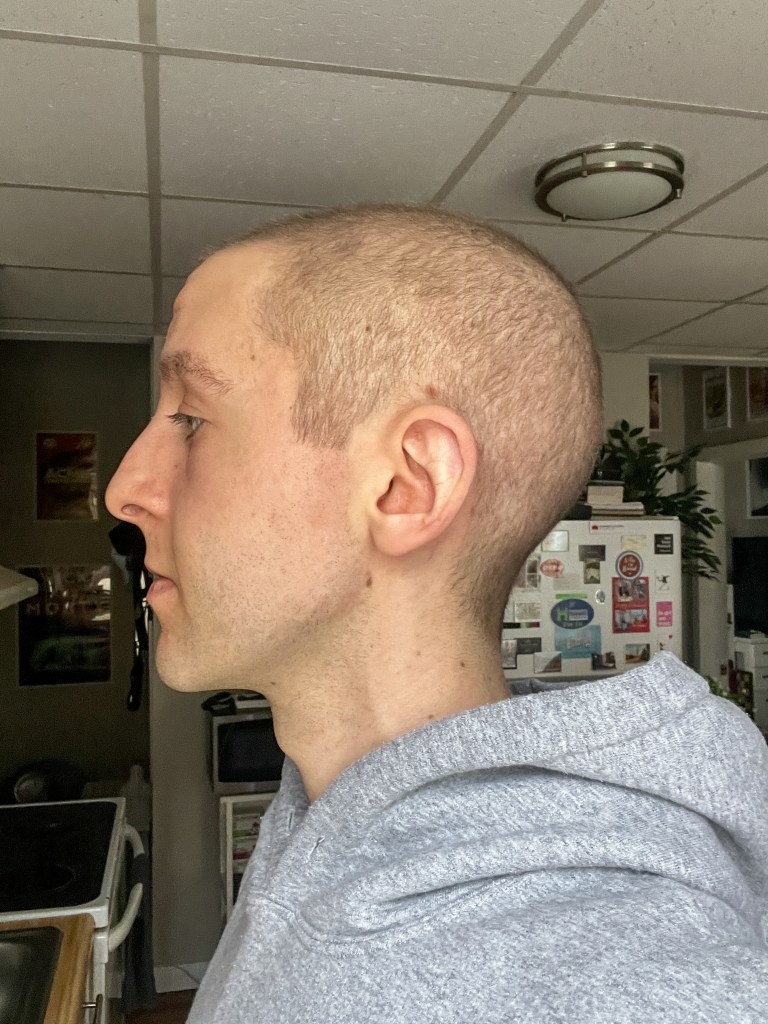
For comparison, here are the photos from the previous update, taken on day +146.
My plan is to let it do its thing until summertime before going back to my barber and asking them to work some sort of miracle to make it look presentable. In the meantime, I’m not too concerned with its appearance.
That said, I’m very grateful that it’s still winter and wearing a beanie everywhere doesn’t raise any eyebrows.
Something worth noting is that if your hair regrowth is anything like mine at this stage, it will not be growing in evenly. Looking closely in the mirror, or even at the photos above, there are still plenty of spots that are visibly less full than others. That’s why I plan to let it grow freely for a while before attempting any styling or trimming to even it out, with the exception of the occasional cleanup on the sides and back.
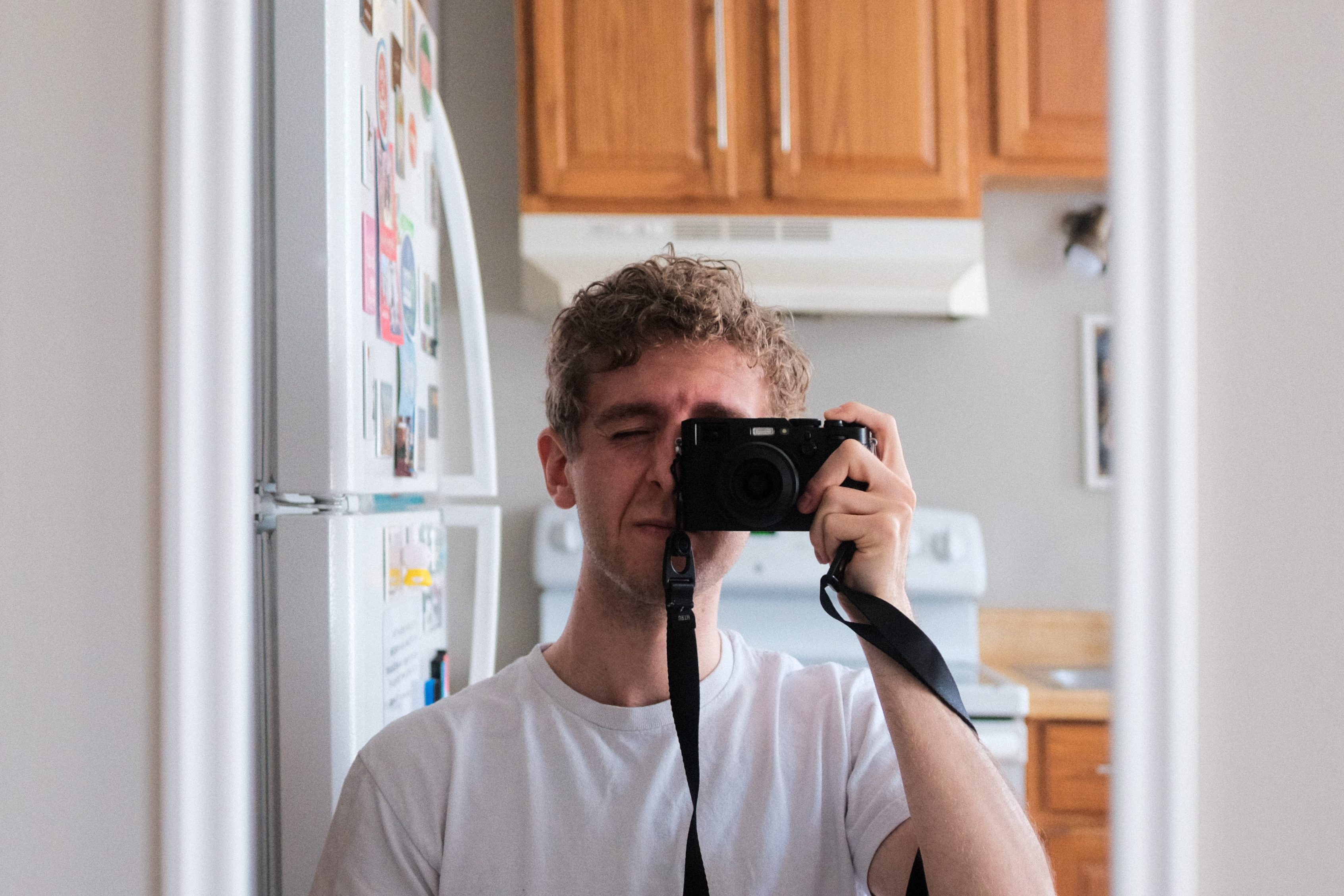
Oh, and prior to transplant, I had what I would call dirty blonde hair (pictured below). Right now, it looks more brown than anything else. From what I understand, hair changes post-transplant are relatively common, especially during the first year as it grows back in, so it’s not something I’m overly concerned about. Just interesting to observe.
Weight
My weight has been stable lately. Not much else to report. On day +190, I weighed in at 145 pounds. Considering how much I’ve been exercising recently, I’m very happy to see my weight continuing to climb.
Since the start of the year, I’ve focused on consuming mainly whole foods and making sure I take in enough calories relative to my output. Finding that balance is easier said than done, but I feel like I’ve done a really good job of it lately. Here are a couple of examples of what I have been eating.
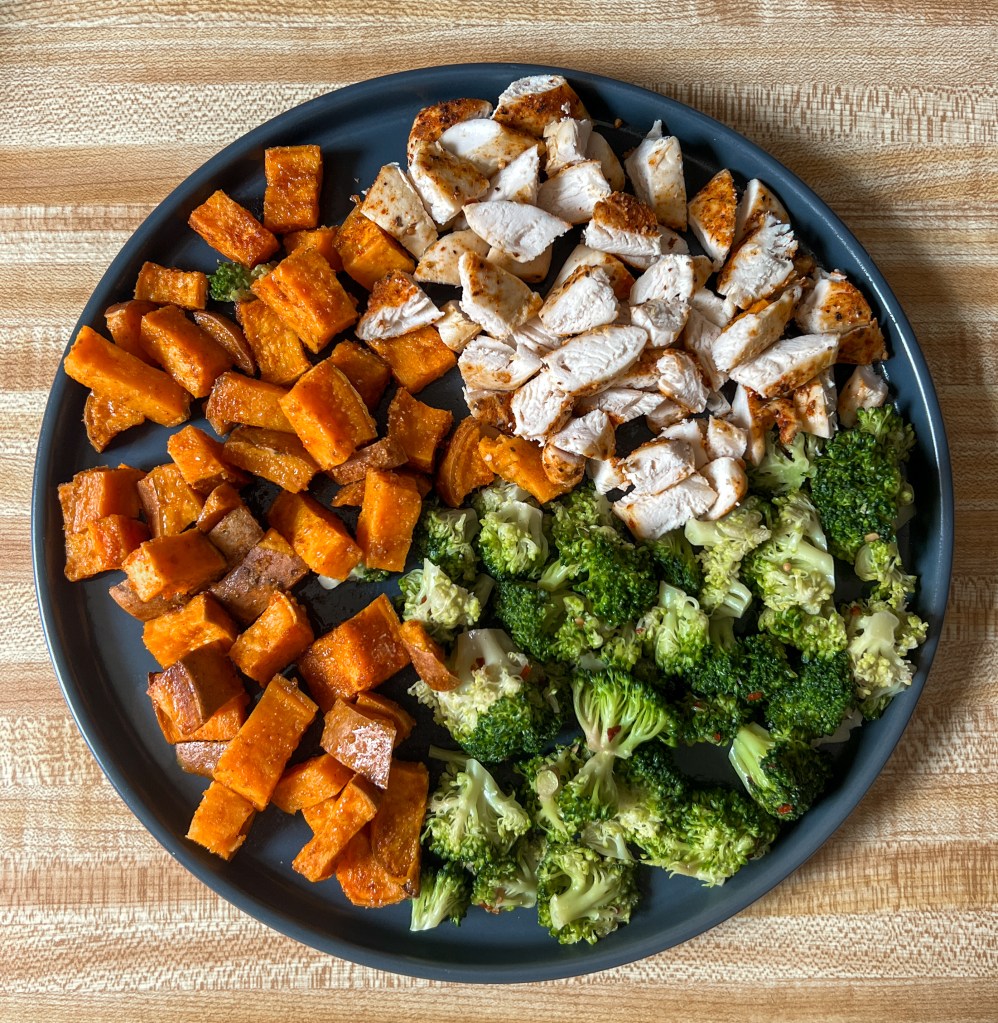

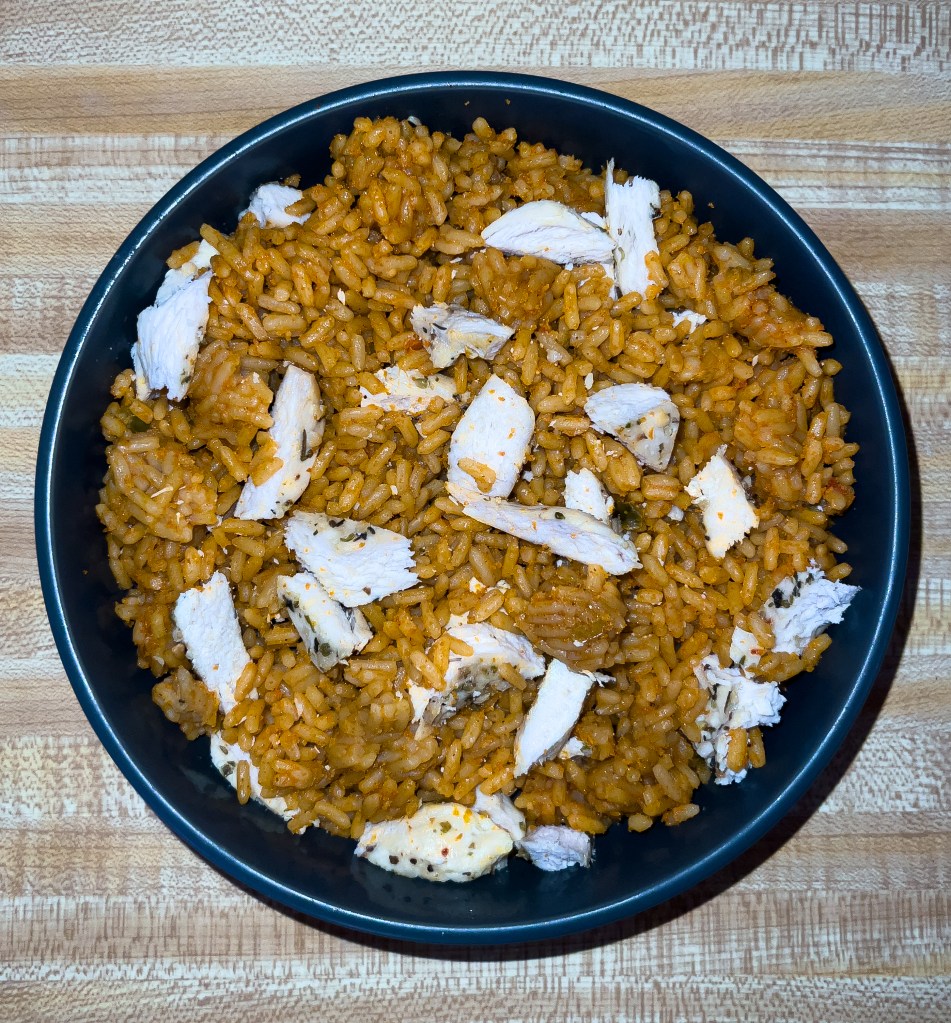
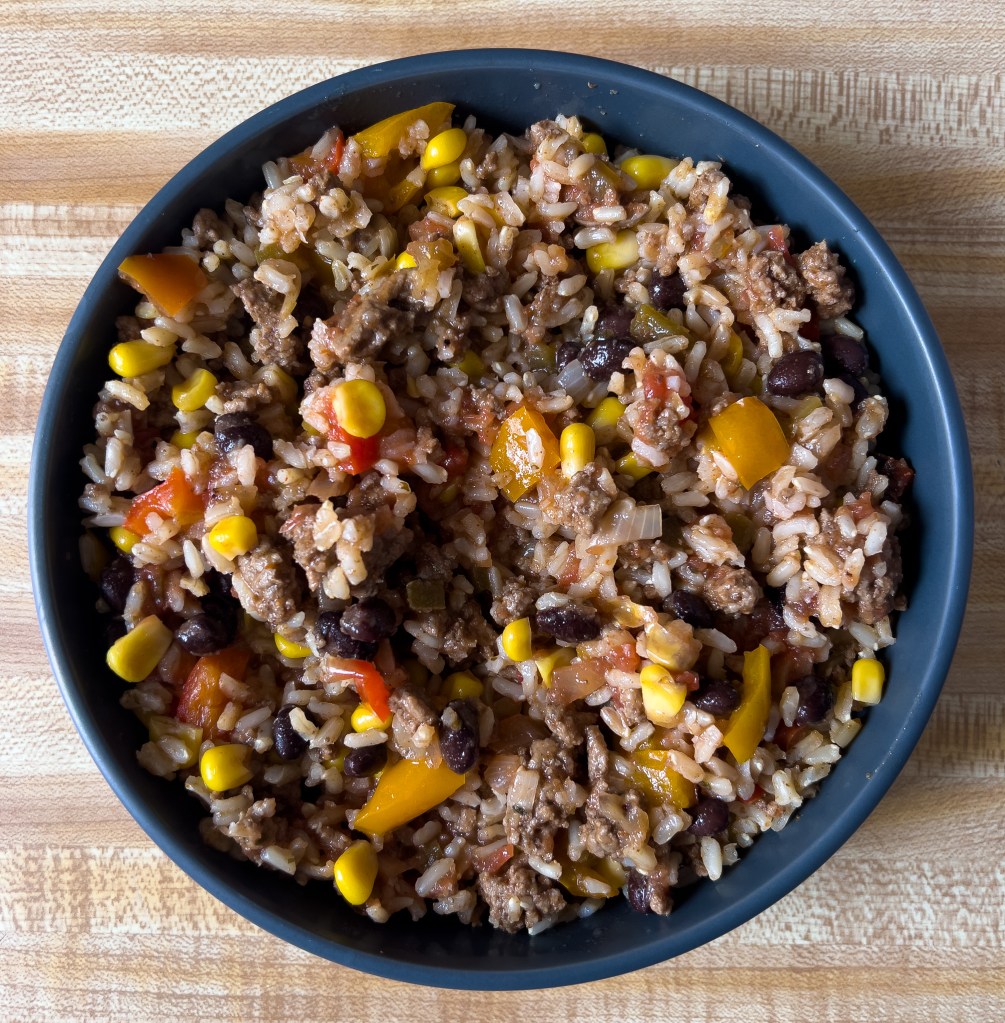
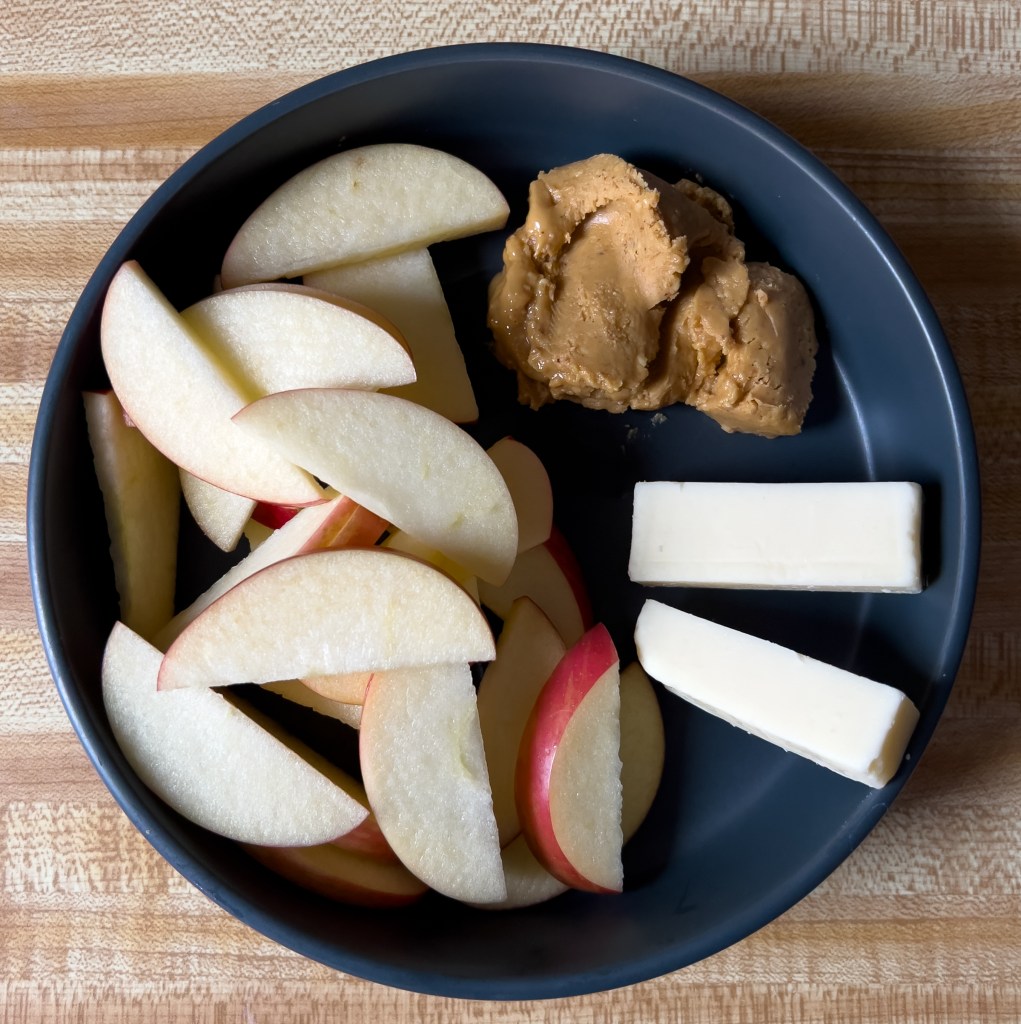
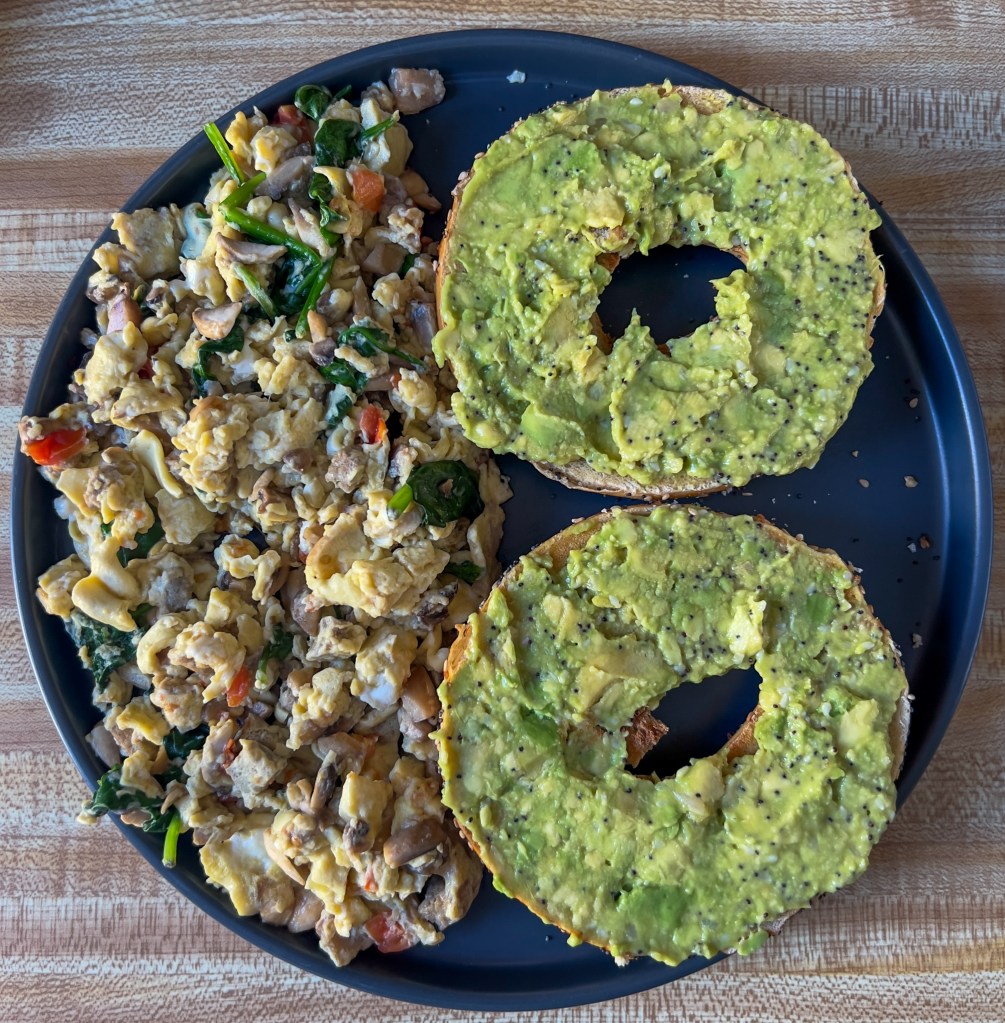
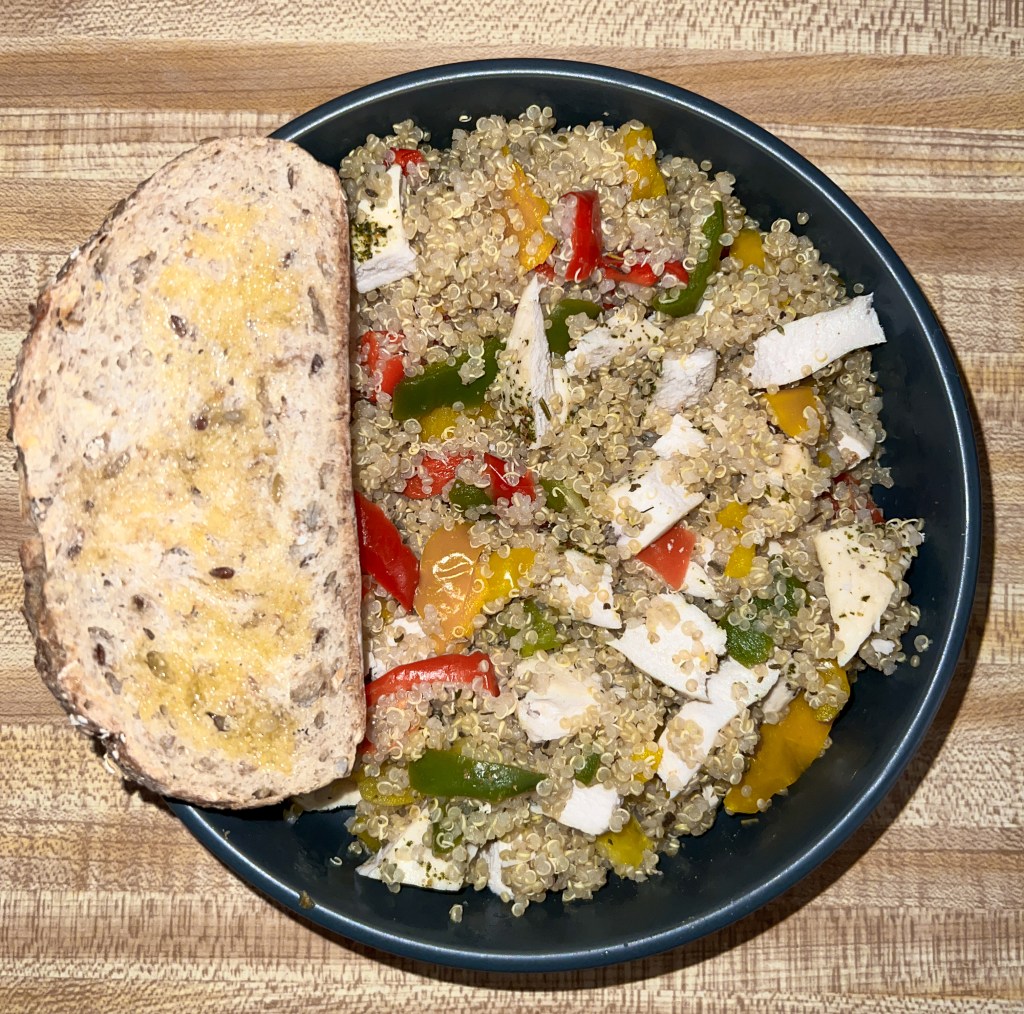
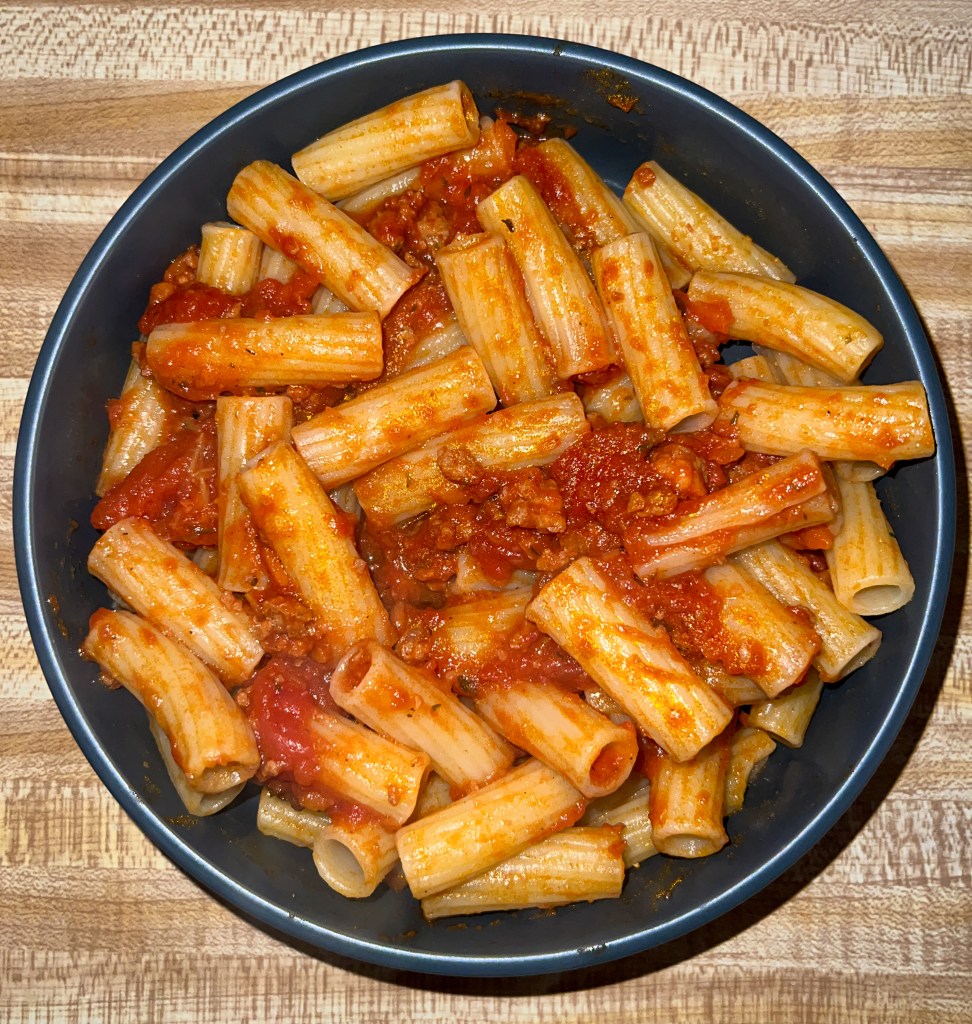
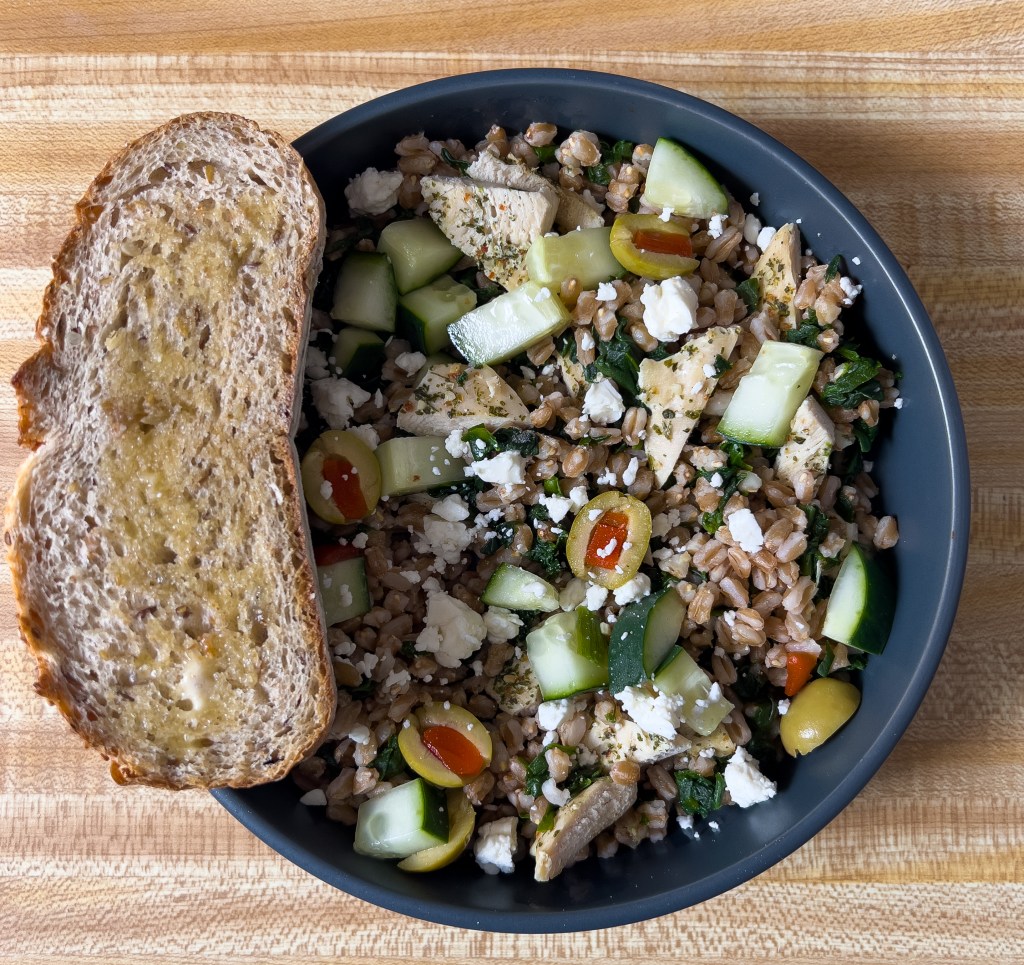
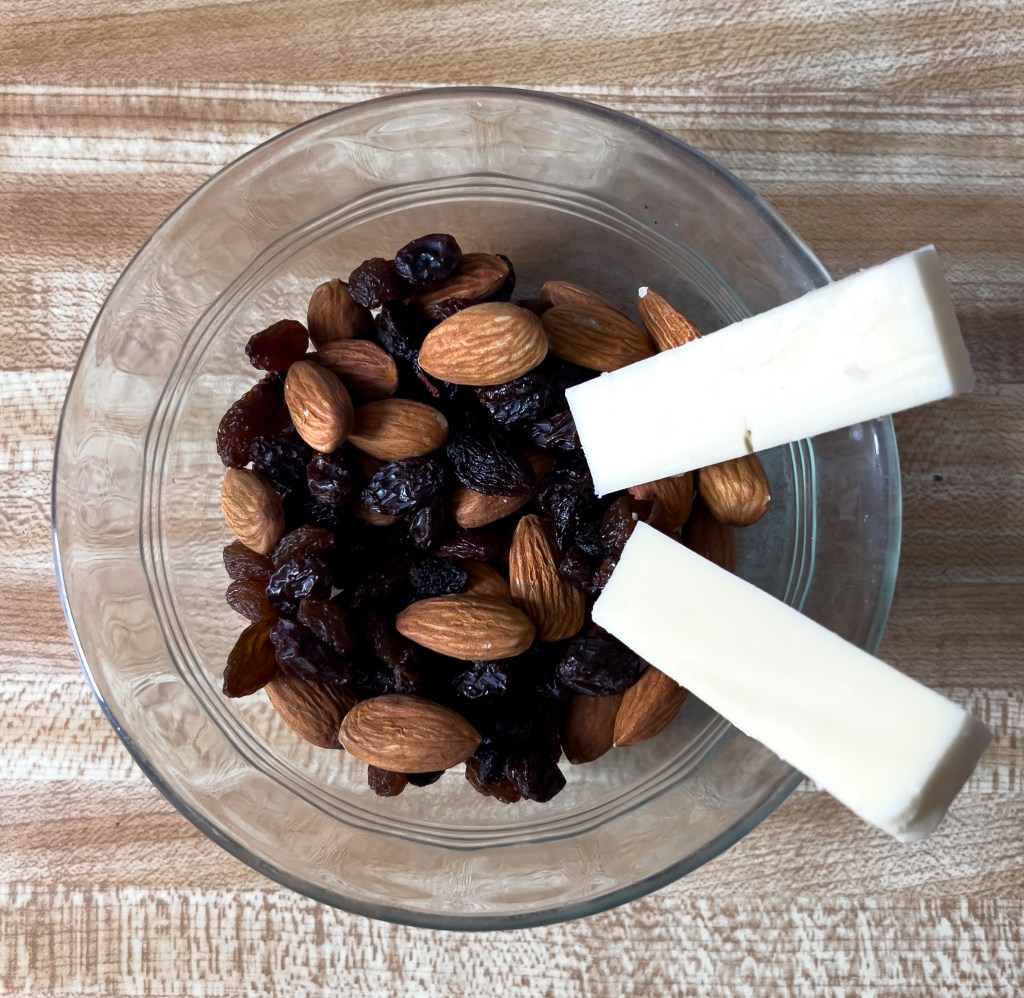
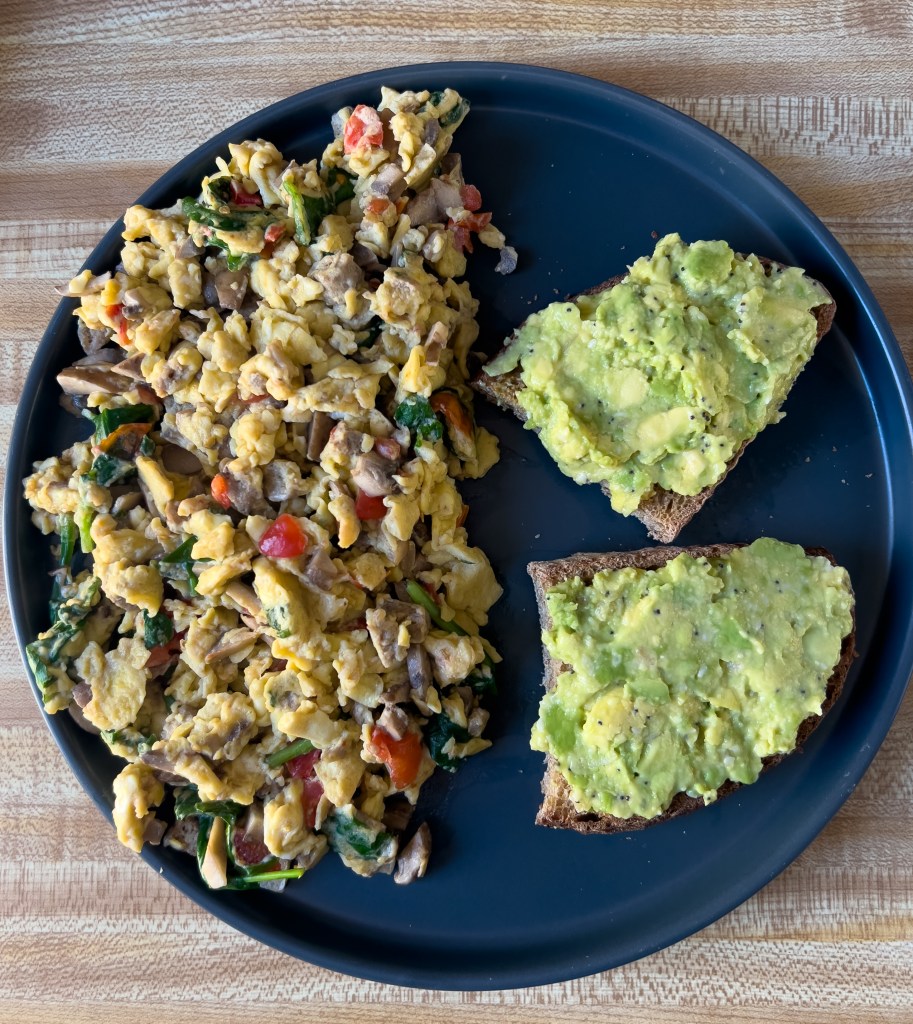
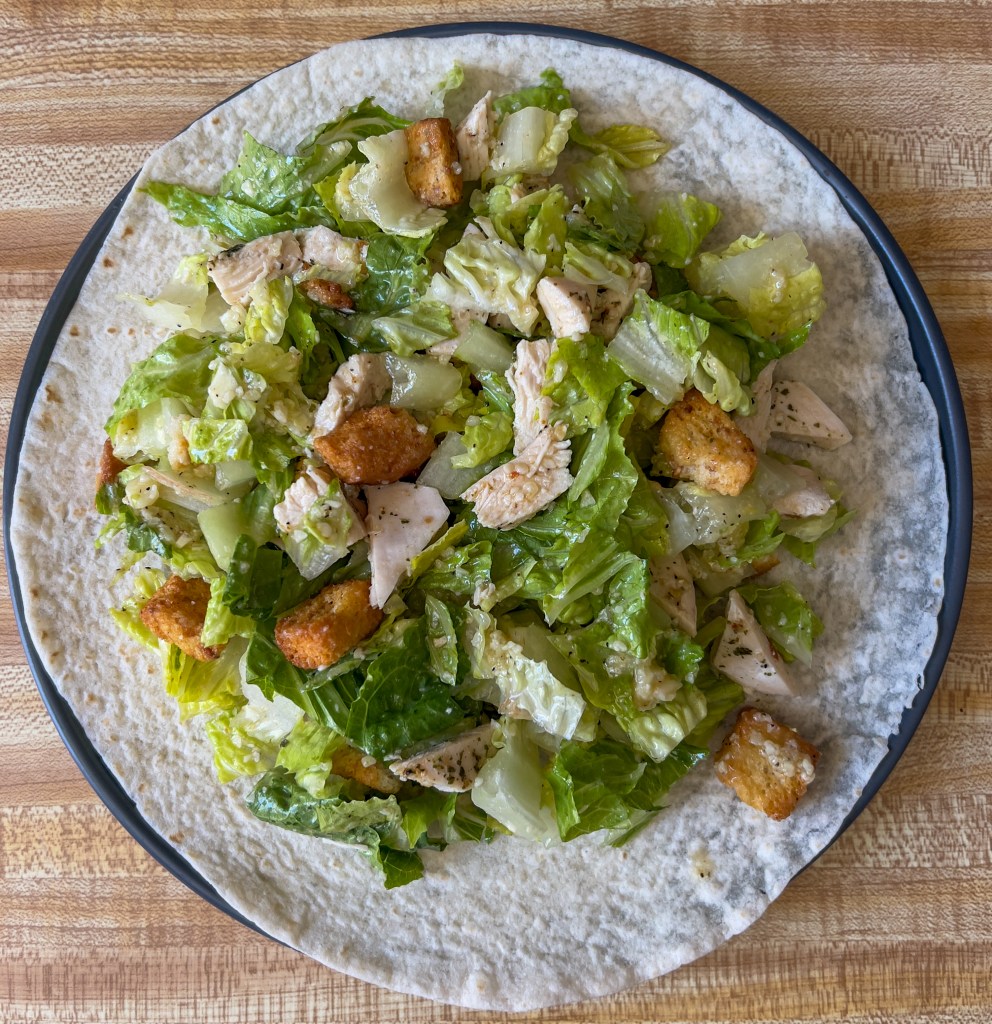
I don’t really have a specific “goal weight” at the moment. My priority is simply to fuel my body properly so I can recover and continue to slowly increase my overall training load. Hopefully resulting in some lean muscle gain along the way.
Mental
An idea I discussed in my last update was how valuable it is to get back into a healthy routine post-transplant, and how important it is to protect that routine once you have it.
Over the past month or two, I’ve been pretty faithful to my own advice. I’ve been back at work for roughly four months now, I’m exercising consistently, and I’ve been able to enjoy myself a bit more. I’m still months away from doing more social outings and things like that, but I’m really happy with the small slice of normal I’ve carved out for myself lately.
That said, life still feels pretty fragile, even with the reassuring biopsy results I just received. That’s not something I expect to change overnight, and it’s something I’ll continue to work on as my recovery progresses. As it stands, I still feel very much in the weeds mentally when it comes to general post-transplant anxiety.
In terms of combating that, focusing on what I can control has been a motto that’s helped me a lot. It has since the day I was diagnosed. I can’t control what my blood counts are, what my biopsy results do or don’t show, or whether I develop more serious GVHD. I wish I could, but that’s not how this works.
What I can control is how I respond mentally to it all. How I show up for myself each day. How I continue to put one foot in front of the other as I navigate all of this, regardless of how anxious I feel about the things outside of my control.
Some days, it feels like I’m faking that courage. Like I’m kidding myself when I say I’m not overly concerned about how my body may be reacting to my new cells, or how it might respond long term to the treatment I received. But I still manage to get out of bed, go to work, exercise, eat well, and do things I enjoy on a daily basis.
If faking it is what allows you to show up for yourself each day and do the things you’re scared of despite not knowing the outcome, then I’d argue that actually is real courage, even if it doesn’t always feel that way in the moment.
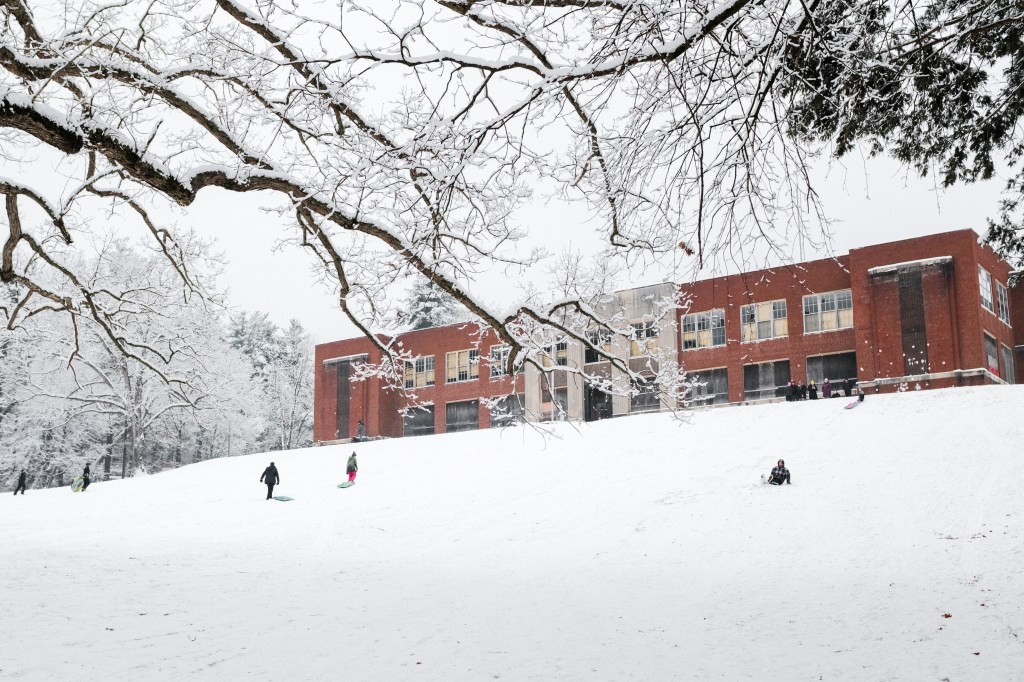
Before moving on, I would also like to mention that I’ve found myself feeling more emotional recently, or at least not suppressing my emotions as much as I have this past year or so. From the start, I told myself that I would allow myself to truly feel every emotion that came up, but I wasn’t always successful in doing that.
I’ve been so tightly wound since last January that I think I lost that part of myself in the stress of it all. The part that allows me to feel deeper emotions and express them in a healthy way. Before transplant, it was about preparing for what needed to be done and worrying about timing. During transplant, it was about making it to the next day. After transplant, it’s been about whether it achieved what we hoped it would.

I’ve done my best to carry all of that in the healthiest way possible, but for me, I guess that meant turning off parts of my emotional response system. I’m not ashamed of that. In some way, I’m here writing this right now, so it must have worked.
But, six months on and with a very reassuring biopsy result in hand, that no longer serves me in a positive way. My body seems to know that and has been responding accordingly. In practice, that looks like crying more. Laughing more freely. Smiling to myself on runs. You get the picture.
In a way, I’m finally doing what I intended from the start: letting myself feel everything there is to feel. I just happen to be doing a better job of it now, likely because of the recovery trajectory I’ve found myself on so far.
Not a second goes by that I’m not grateful for that.

Exercise
When it comes to exercise, I’m at the point where the endurance I built during the first couple of months post-transplant, combined with a bit of muscle memory kicking in, is starting to translate into some very meaningful progress.
If you’d like a more in-depth overview, I recommend checking out my previous post, Post-Transplant Health & Fitness: Six Month Update, but I’ll be covering some of the highlights here regardless.
Cardio
Since transplant, my three main forms of cardio have been walking, biking, and running. Exactly in that order. Each form would not be possible without spending time in the one that came before it.
Starting with walking, I have been averaging anywhere from 8 to 15 miles per week. I try to get out at least once a day to get some steps in. It helps clear my head, and with the hills in town, it provides a positive low-impact stressor that helps build fitness. Here are some data points from a few of those walks lately, as well as my weekly mileage trend courtesy of my Strava account:
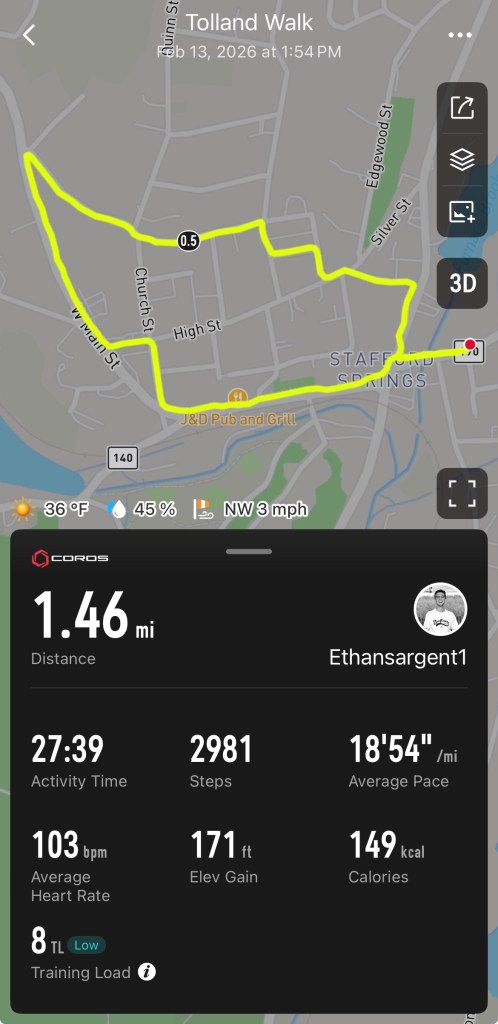
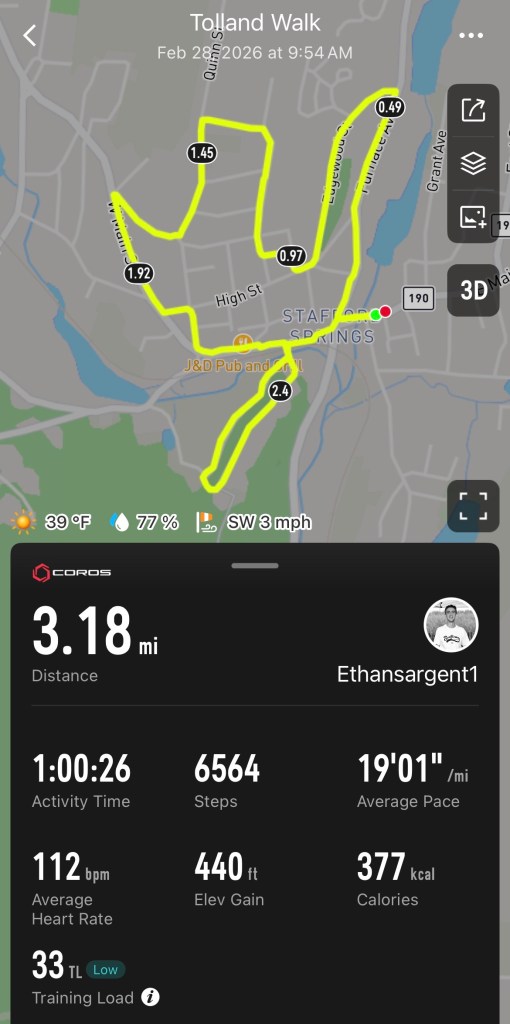
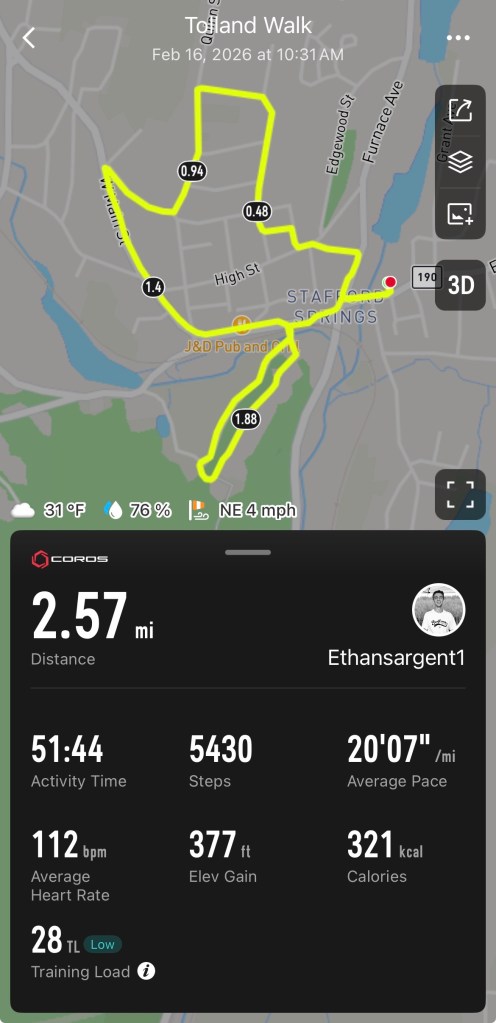
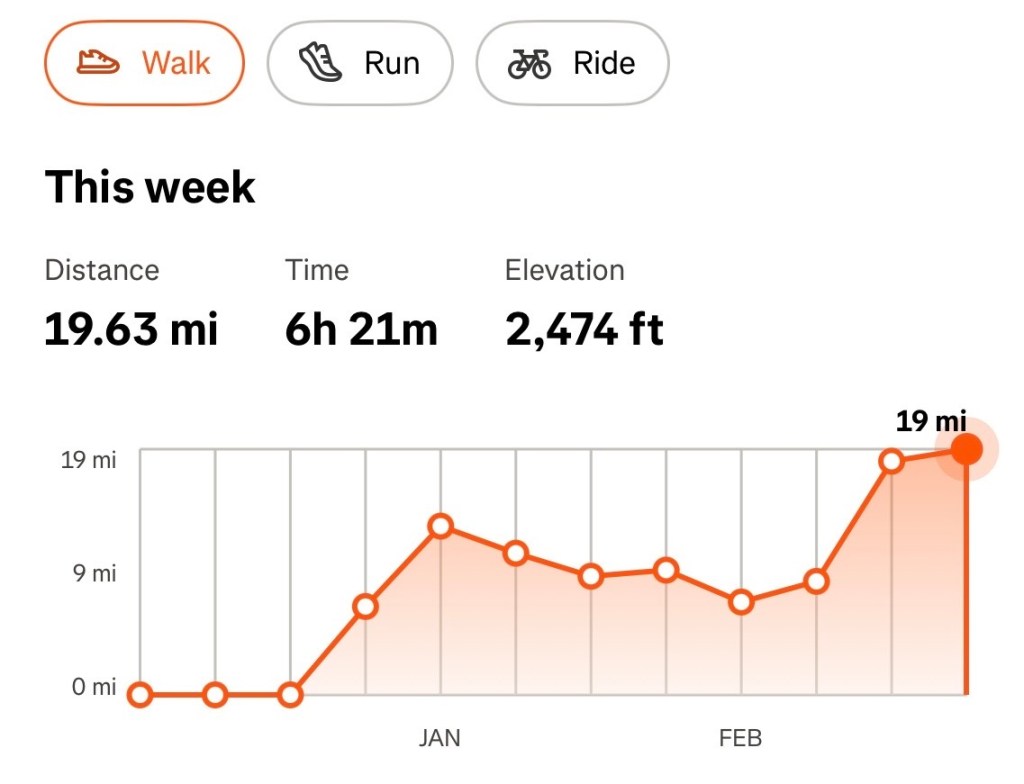
As you can see, I have been trending upward with my walking mileage, and I intend to keep doing so as we ease into spring here.
Biking is the form I admittedly do the least of, mainly because I use it as an active recovery tool on days I’m not running, which have become fewer and fewer. On average though, I spend 2 to 4 hours a week on the bike and usually hit somewhere between 20 to 40 miles, depending on my running schedule for that week. Here are stats from a few of those rides:
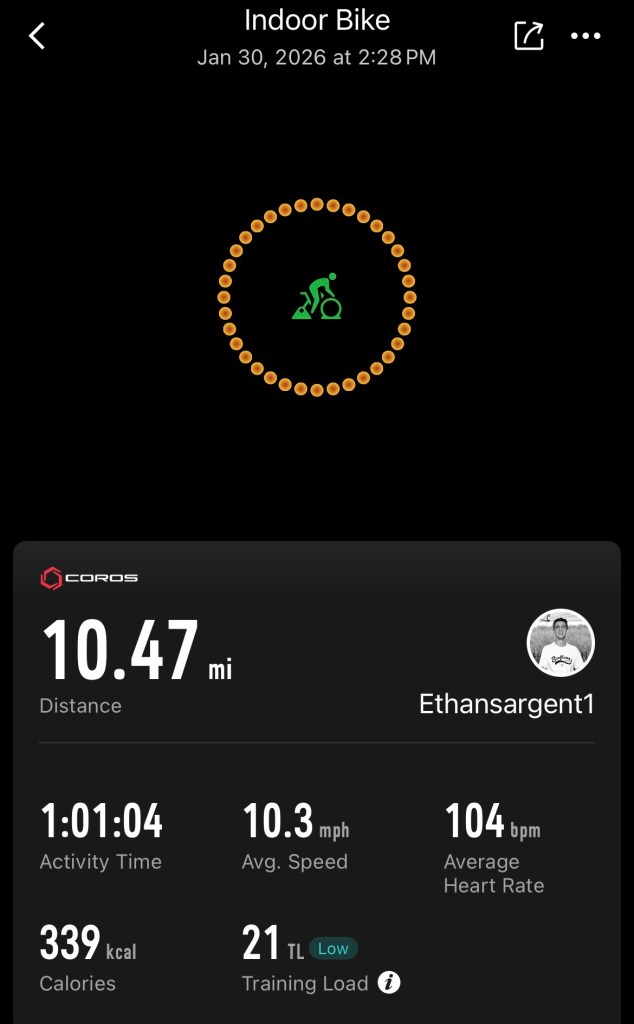
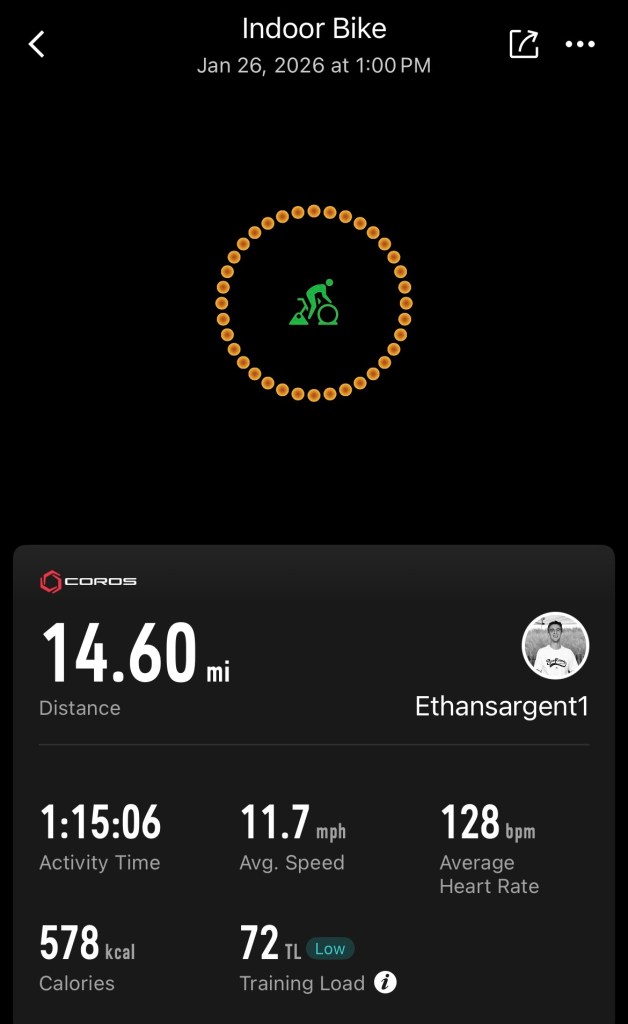
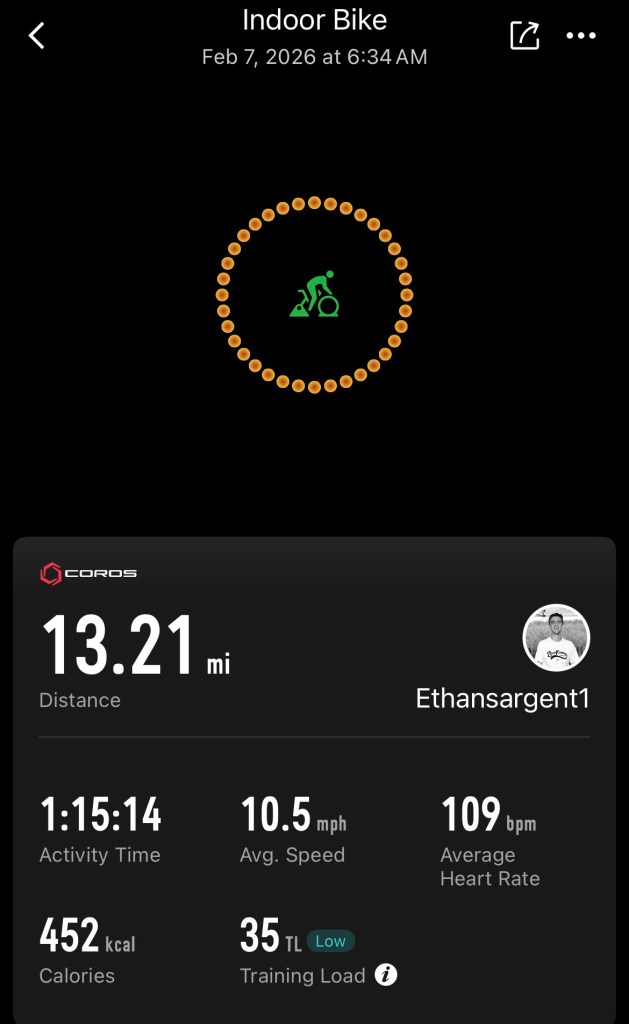
Lastly, we have running. For the past couple of weeks, I have managed to hit 20+ miles pretty consistently. Below is a screenshot from my Strava account showing how I’ve scaled my weekly mileage lately.
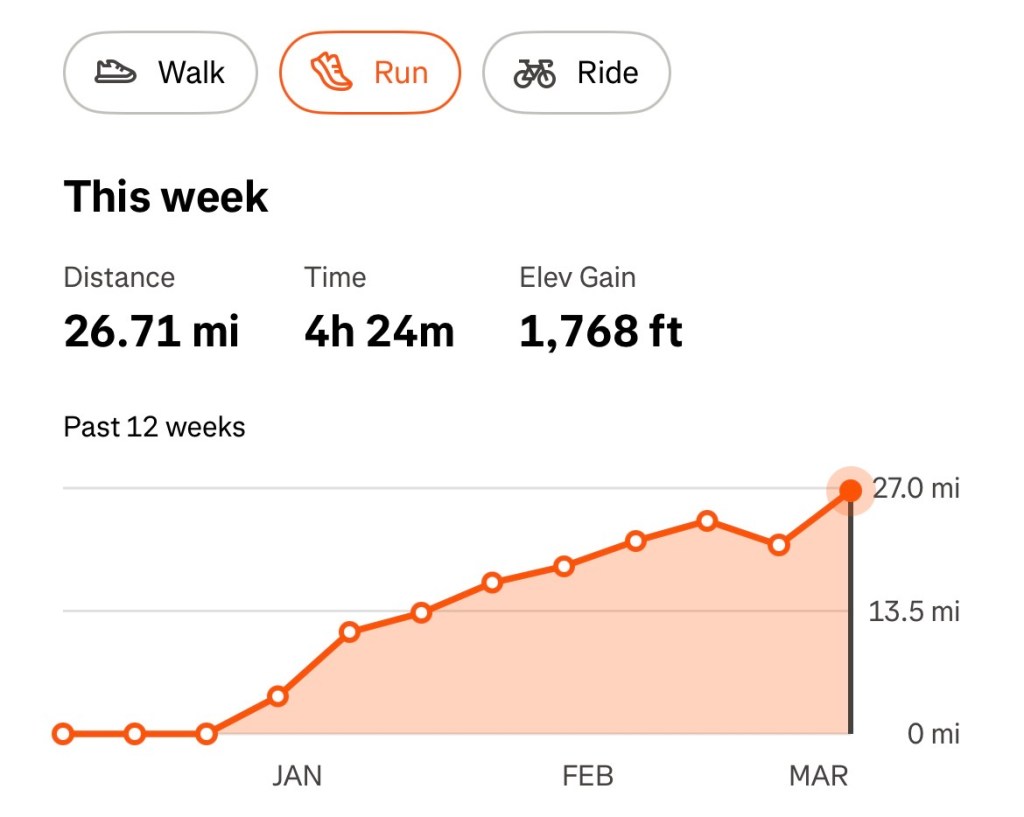
As you can see, I’ve tried to approach it in a sustainable way, avoiding drastic jumps in mileage. This has allowed me to test the water little by little while also reducing the risk of injury.
That said, I feel good. Really good. It feels like I’m starting to fire on all cylinders again, and nothing proved that more than the 15-mile long run I completed on the day of my six-month post-transplant anniversary. Here’s what that run looked like.
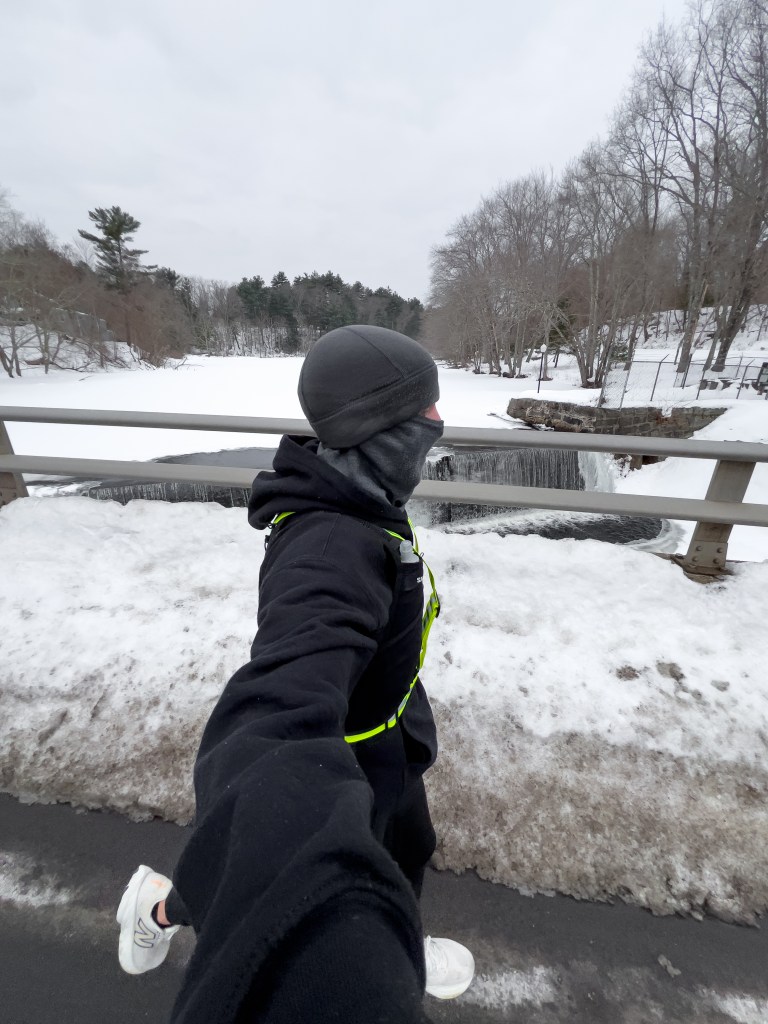
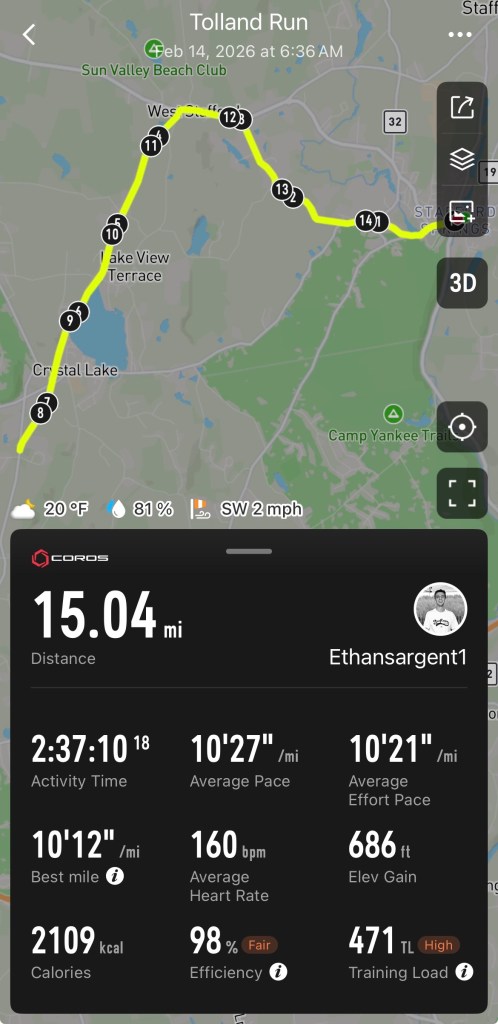
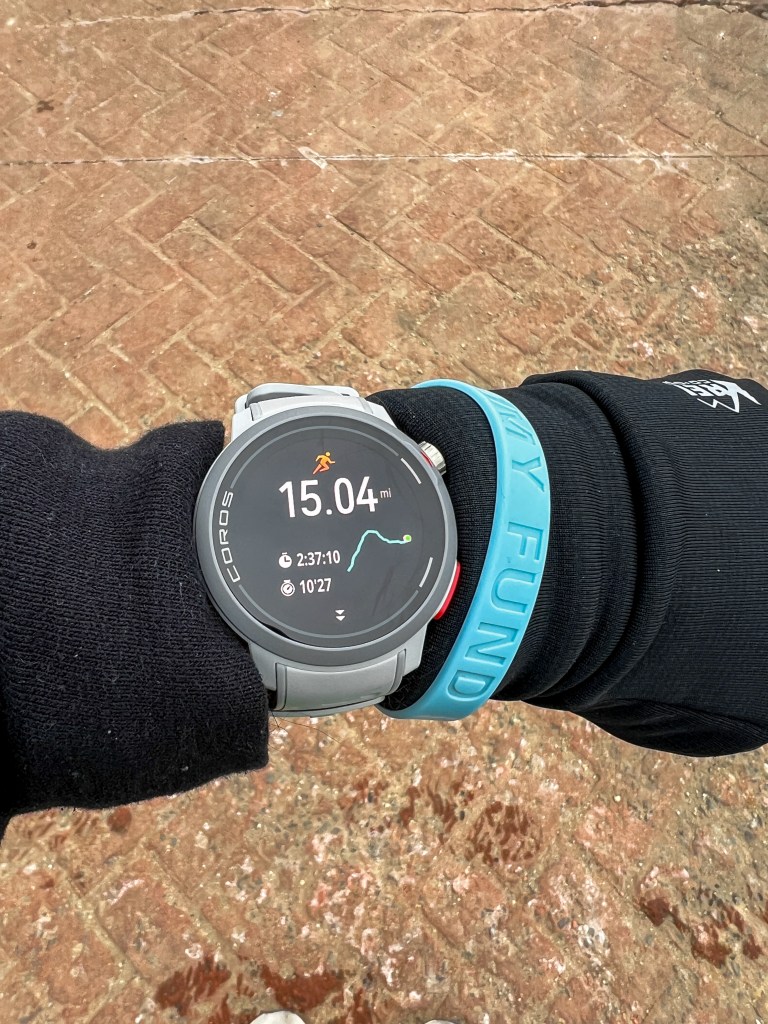
At no point during that run did I feel overworked. I kept my heart rate in check and my pace steady the entire time. As you can imagine, I had a lot on my mind that day, and being able to execute a run like that meant the world to me.
A very underrated highlight of that run was returning home and still being able to go about having a normal weekend. I completed all my usual chores and such with little to no discomfort. I was absolutely sore, but still functional.
To me, that proves my body is starting to regain a bit of resiliency, which bodes well for continuing to scale my efforts like I plan to.
With running specifically, this is only the start. I can promise you that.
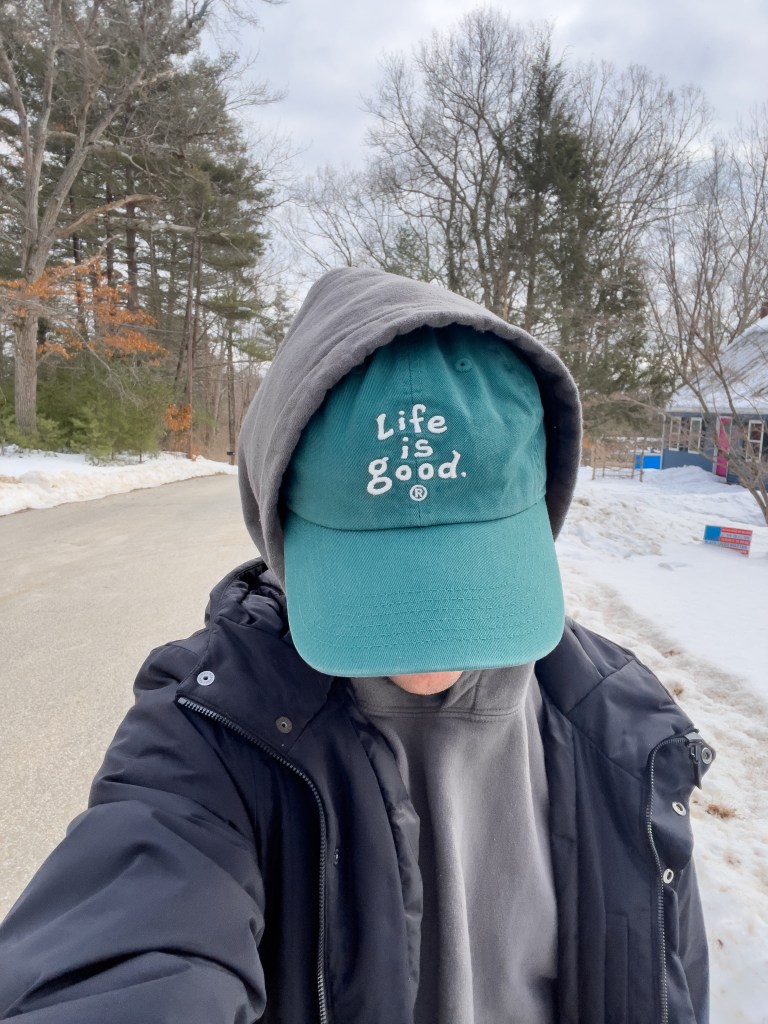


Strength Training
Prior to transplant, I only did bodyweight exercises and light calisthenics. It’s what I enjoyed the most, and it fit perfectly into my schedule. To this day, I would have no problem recommending this approach to anyone, especially those in the early stages of transplant recovery.
That said, I was always more focused on running and never gave strength training as much attention as I should have. Post-transplant, I want to do things differently.
With the addition of a few key pieces of equipment—a dip station, adjustable dumbbells, resistance bands, and a pull-up bar—I’ve been able to settle into a strength training routine here at home that not only supports my cardio but also adds to it in a meaningful way.
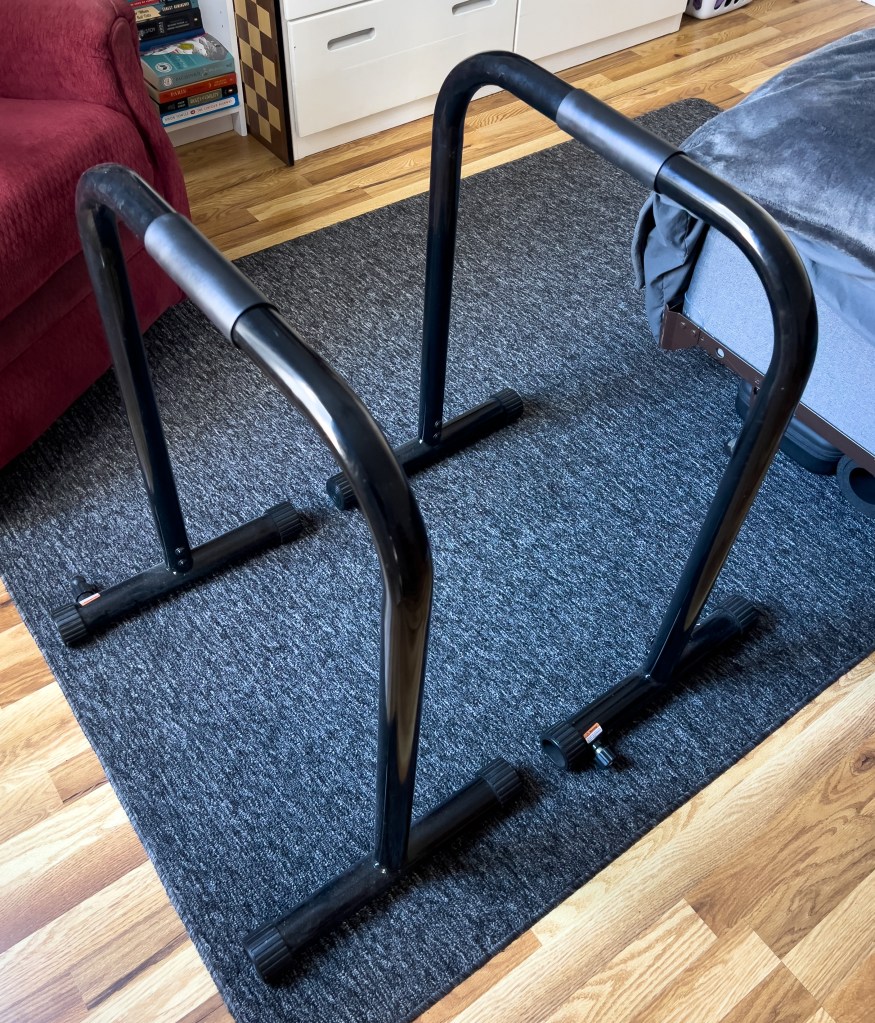
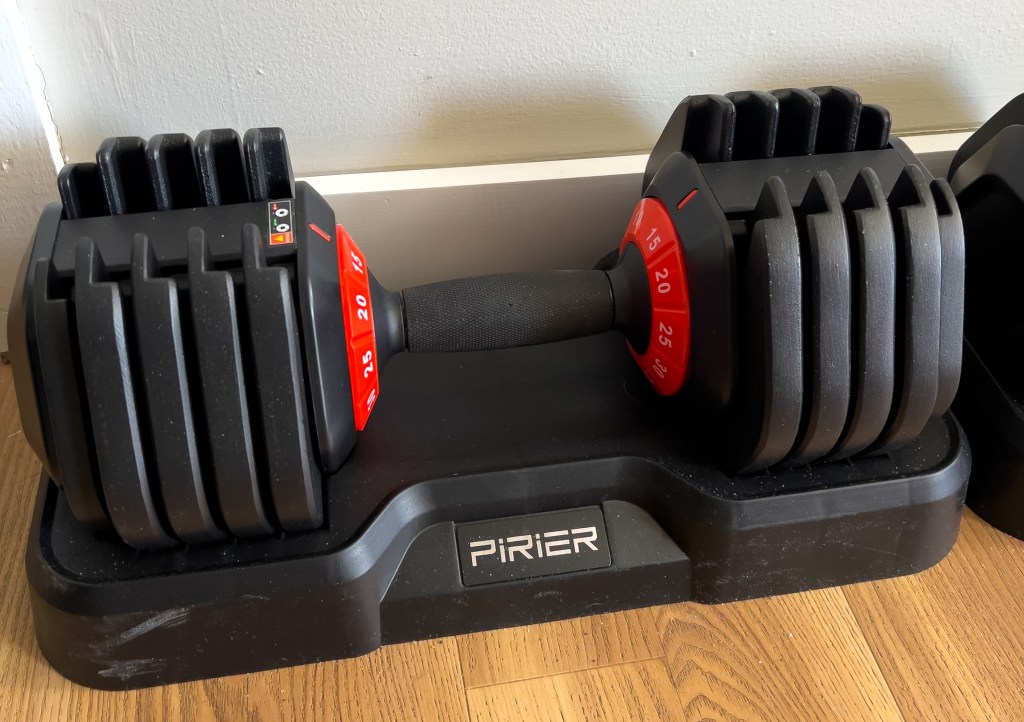

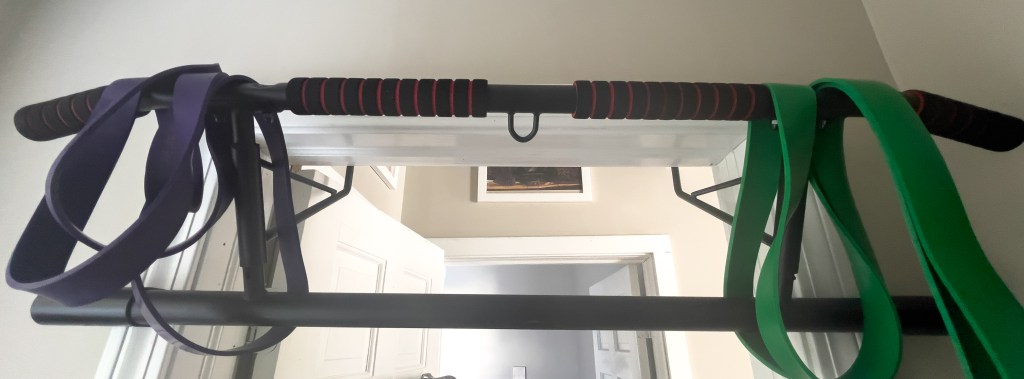
In practice, I strength train roughly five days a week during the workday, doing mini sets throughout the day to break up long periods of sitting. This allows me to get in a solid workout over the course of the day and is more than enough to promote the kind of muscle development I am aiming for.
It has been very satisfying to see the progress I’ve made over the past month or two. With the more intentional strength training I have been doing and a renewed focus on nutrition, I am setting myself up as best as I can to regain some of the muscle I had lost during treatment.

I had assumed I would be spending this entire year in full-blown recovery mode. I am, to a large extent, but when it comes to exercise, I now believe I can do more than just return to my pre-transplant baseline. If my recovery continues to trend as it has, I plan on making progress, not just settling for returning to how I was.
That excites me more than I can say.
Closing Thoughts
Okay, maybe I lied. This was still a long one. Oh well.
Talk Soon,
– Ethan
Resources
External links directly referenced in this article:
- https://www.mayoclinic.org/tests-procedures/bone-marrow-biopsy/about/pac-20393117
- https://www.hopkinsmedicine.org/health/treatment-tests-and-therapies/the-pathology-report
- https://www.nicklauschildrens.org/treatments/chimerism-test
- https://www.dana-farber.org/newsroom/news-releases/2014/new-test-developed-at-dana-farber/brigham-and-women-s-cancer-center-speeds-treatment-decisions-for-blood-cancer-patients
- https://ntp.niehs.nih.gov/atlas/nnl/hematopoietic-system/bone-marrow/Hypercellularity
- https://my.clevelandclinic.org/health/diseases/dysplasia
- https://my.clevelandclinic.org/health/body/blast-cells
- https://my.clevelandclinic.org/health/diseases/6192-myelodysplastic-syndrome-myelodysplasia
- https://www.cdc.gov/genomics-and-health/counseling-testing/genetic-testing.html
- https://my.clevelandclinic.org/health/body/23067-somatic–germline-mutations
- https://my.clevelandclinic.org/health/diseases/12564-edema
- https://my.clevelandclinic.org/health/body/21199-lymphatic-system
- https://www.drugs.com/hydrocortisone.html
- https://my.clevelandclinic.org/health/diseases/10255-graft-vs-host-disease-an-overview-in-bone-marrow-transplant
- https://www.strava.com/athletes/199166376
- https://www.healthline.com/health/active-recovery
- https://www.health.harvard.edu/exercise-and-fitness/calisthenics-an-effective-low-frills-way-to-stay-fit
 Long Way From Home
Leave a comment