Today, I want to talk about where my health stands heading into transplant. Over the past few years, I’ve made a conscious effort to build a solid foundation when it comes to my health. A foundation I now plan to lean on heavily throughout this process.
I’ve found that it’s easy to take your health for granted until something reminds you just how much it matters. When life throws a curveball (or, in my case, a rare genetic mutation), your baseline health can shape how well you’re able to respond. Sometimes for better, sometimes for worse.
Disclaimer: As always, just a reminder that I’m not a doctor. This post is simply about my own health and what I’ve found works for me when it comes to exercise and nutrition. If you’re thinking about making changes to your routine, I encourage you to do your own research and find activities, habits, and foods you genuinely enjoy. At the end of the day, consistency matters most, and the best health plan for you is the one you’ll actually stick with.
Exercise
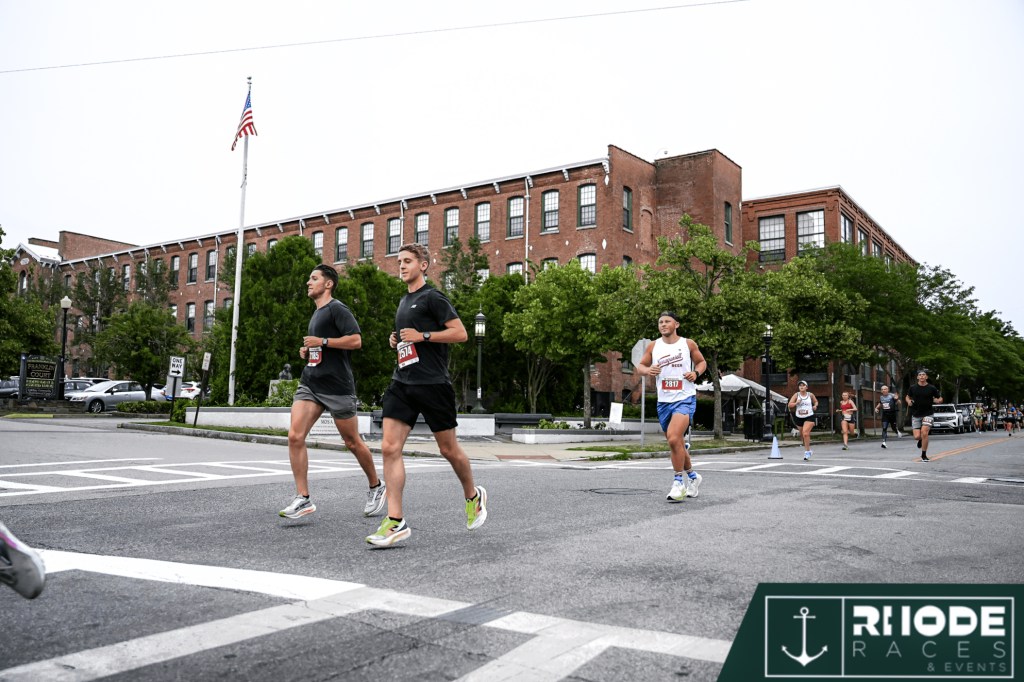
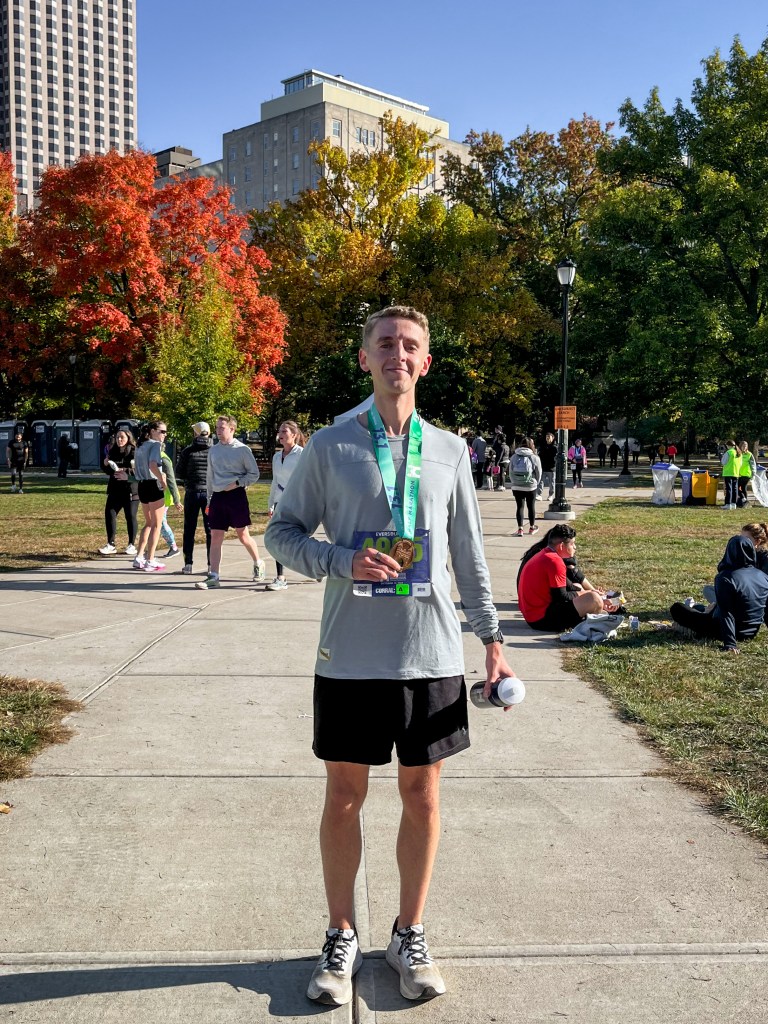
I honestly can’t think of anything that’s given me a higher return on investment than running. Over the past few years, it’s become a cornerstone of my life, shaping how I structure my days and influencing a lot of the choices I do (or don’t) make.
It’s something I’ve found bleeds into every area of my life, in the best way possible. Outside of the obvious physical benefits, running gives me space to quiet the noise and actually process what’s going on in my life. You can’t really put a price on that.
My brother and I picked running back up around the same time during the COVID pandemic. We were both looking for something to get us outside and maybe reignite a bit of the competitive spirit we’d built from playing soccer our whole lives.
I think people tend to underestimate exercise in that way, especially those who go from playing sports regularly to suddenly being pretty sedentary. You don’t always realize how good it feels to push your body, how grounding and energizing it can be, until you lose it for a while and then find your way back.

If you don’t already have an outlet like that in your life, I can’t recommend finding one strongly enough. As you can imagine, getting diagnosed with a rare genetic condition was… stressful. But over the past few months, I’ve kept showing up for myself through running, and honestly, I credit it with helping me keep a somewhat level head through everything so far.
Backstory aside, let’s get a little more specific. Over the past couple of years, I’ve steadily increased my weekly mileage as running became a bigger part of my routine. What started as a few miles a week across three runs has gradually grown into 20–30 miles a week spread over four or five. It took some time to adjust to that kind of training load, but at this point, it feels pretty normal. Depending on the goal, I adjust what those runs each week consist of, but I largely stay within that spread of mileage.
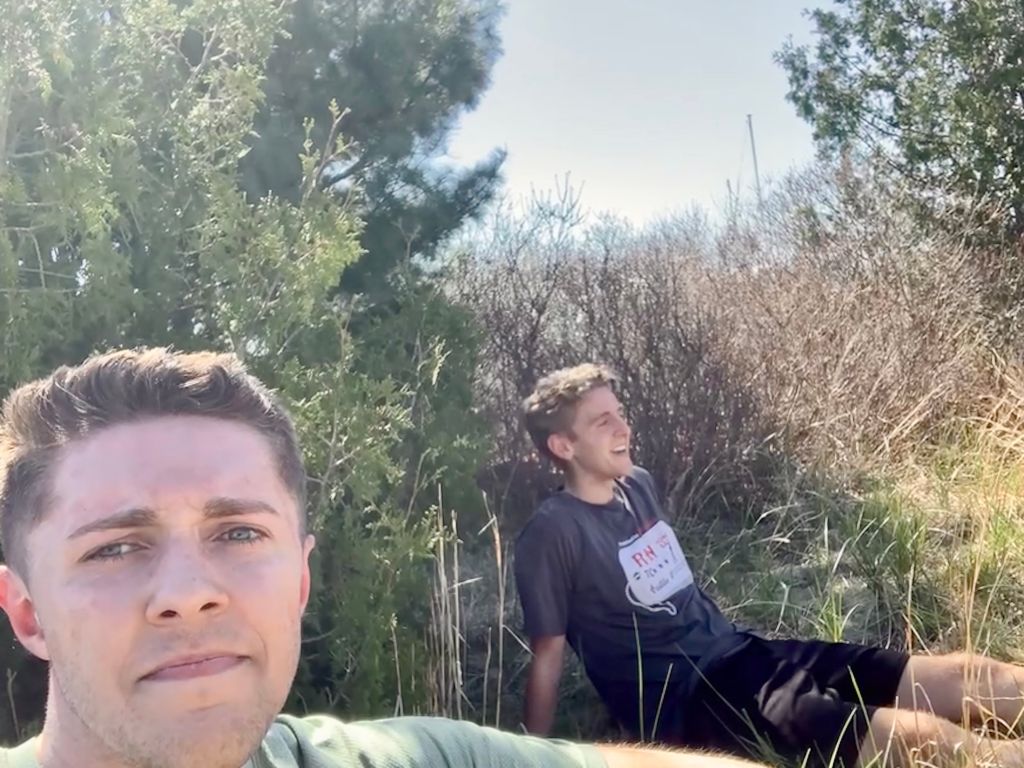
Half-marathons became my preferred distance over that time, but it definitely wasn’t love at first finish line. My first one, which I ran with my brother, ended with the two of us collapsed under a tree at the end, swearing we’d never willingly put on running shoes again. Naturally, we signed up for a full marathon not long after. Funny how that works.
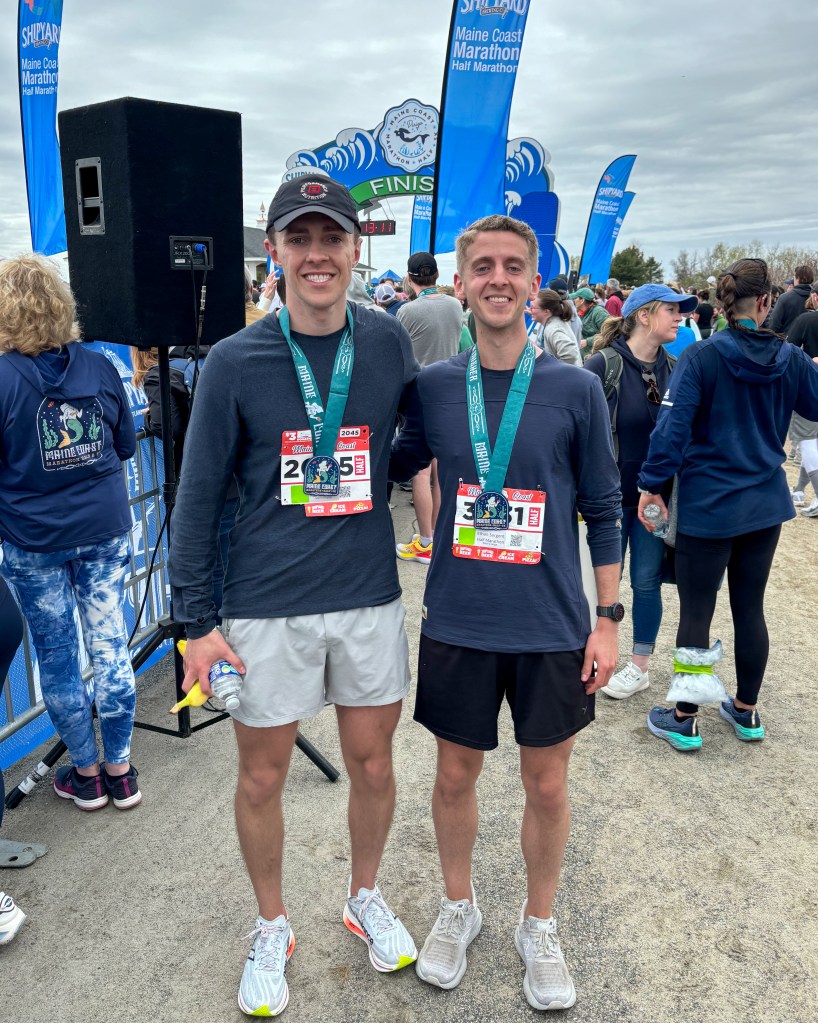
I’ll talk more later in this post about what I hope running will look like for me post-transplant, but for now, I just wanted to give you a better sense of where I’m at, fitness-wise. I’m hoping that being in solid cardiovascular shape will not only help me get through treatment, but also give me a head start when it’s time to bounce back.
While cardio is my main form of exercise, I also try to prioritize resistance training for both injury prevention and general strength. These days, my go-to is bodyweight training. I work from home, so it fits more naturally into my schedule than traditional weightlifting. It’s cheaper, more convenient, and easy to break up throughout the day to get my heart rate up here and there. Plain and simple.
I wish I had more to say about resistance training, but the truth is, I don’t. It’s not something I feel as confident speaking about as I do running. That said, I fully recognize how important it is. I mentioned Dr. Peter Attia in the previous post, and I’ll bring him up again here, because when it comes to subjects like this that I’m still learning about, I think it’s better to point you toward people who really know their stuff, rather than hope you’ll just take my word for it.
In his book Outlive, he talks extensively about the role of muscle mass and function in longevity, and I highly recommend it if that sort of thing interests you. He explores the relationship between muscle mass and mortality, the importance of maintaining a “functional reserve” as you age, and how muscle strength, when paired with a healthy VO₂ max, can help to preserve your quality of life as you age. These are all topics I’m still learning about myself, and because of what I’ve picked up from sources like Outlive, I’m genuinely looking forward to incorporating more resistance training into my routine post-transplant.
Amendment: While the impact this book has had on my life is difficult to fully measure, I am deeply disappointed in the author as a person due to his recently disclosed involvement with the late Jeffrey Epstein. This mention is not an endorsement of the individual, even if I still believe the book contains information that many people could benefit from. His actions are inexcusable and indefensible. – Ethan (February 2nd, 2026)

In short, finding a balance between resistance training and running has helped me feel more confident heading into transplant. Over the past couple of years, I’ve learned just how capable my body really is and I’m holding onto that knowledge as I move through this process.
Nutrition
Don’t worry, I’m not here to push any specific diet on you. I’m no nutritionist, and honestly, I think nutrition doesn’t have to be nearly as complicated as Big Food wants us to believe. Over the past couple of years, a lot of my approach to eating has been inspired by Michael Pollan, an American journalist who writes about our relationship with the natural world through food. His book In Defense of Food opens with a tagline that stuck with me: “Eat food. Not too much. Mostly plants.”
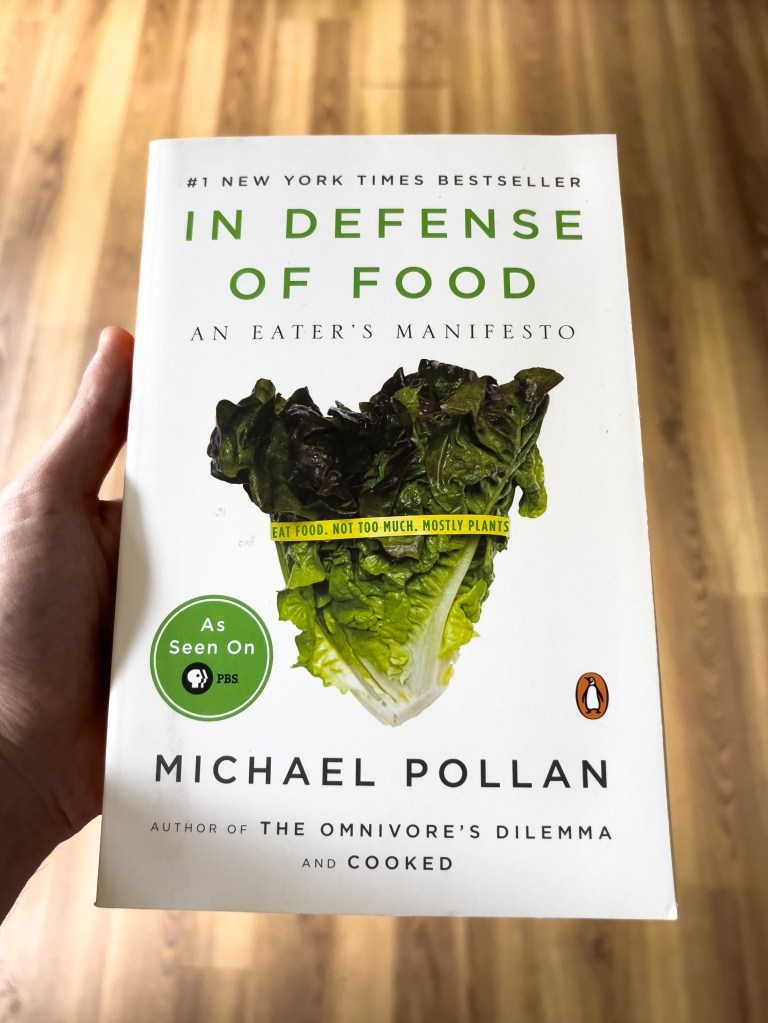
That’s really it, folks. Just eat real food. To paraphrase a joke from the book: if your great-grandmother wouldn’t recognize what you’re about to eat as food, it’s probably best to skip it.
That said, I’m far from perfect when it comes to what I eat. I indulge in cheat meals, snack on things I can’t resist, and yes, I definitely eat carbs. I don’t believe in completely cutting out foods that might be considered “unhealthy.”
That’s where I think a lot of “diets” go wrong: they demand too many restrictions, often eliminating entire food groups that people actually enjoy, and that might even be necessary to maintain a healthy body. While this kind of approach can occasionally deliver great short-term results, especially when paired with consistent exercise, it often leads to burnout and, eventually, a return to old habits.
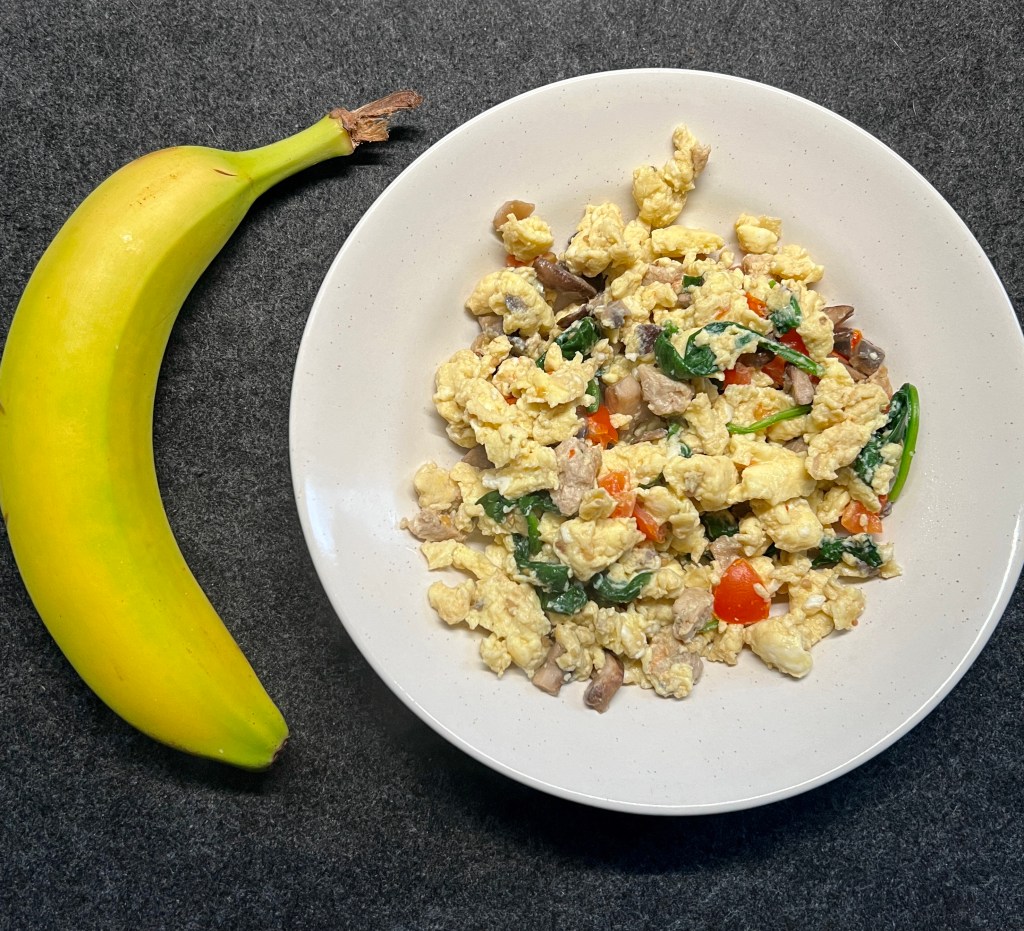
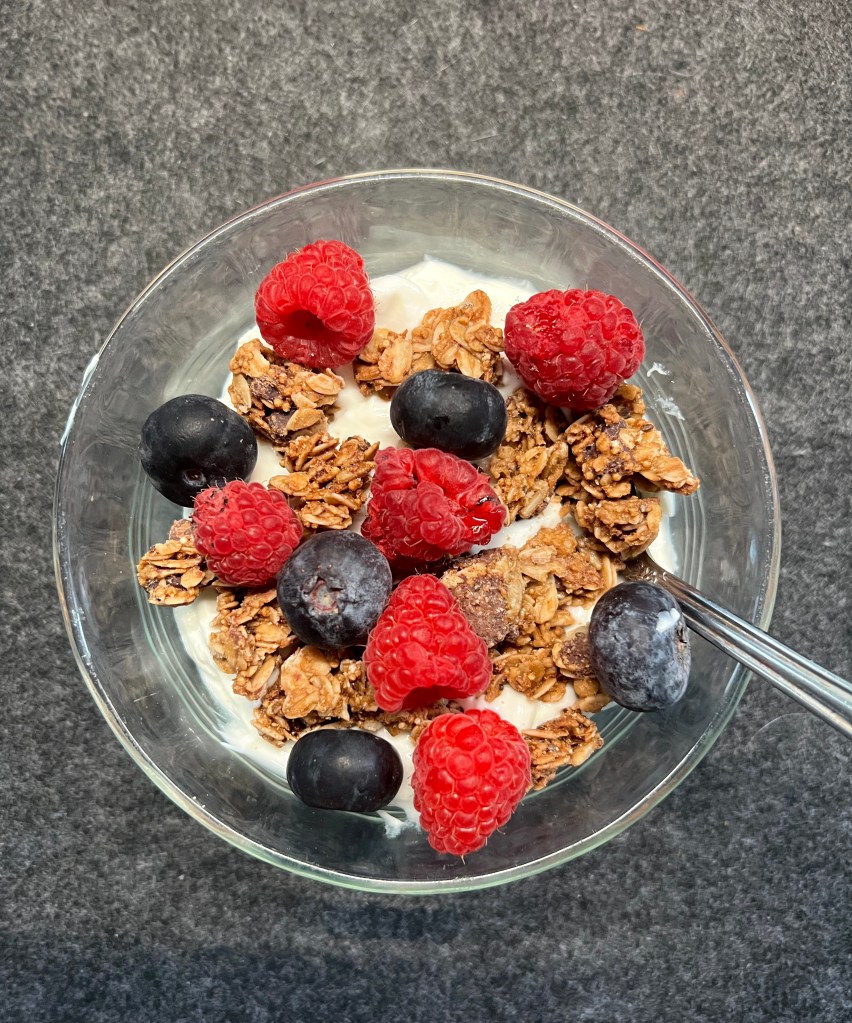
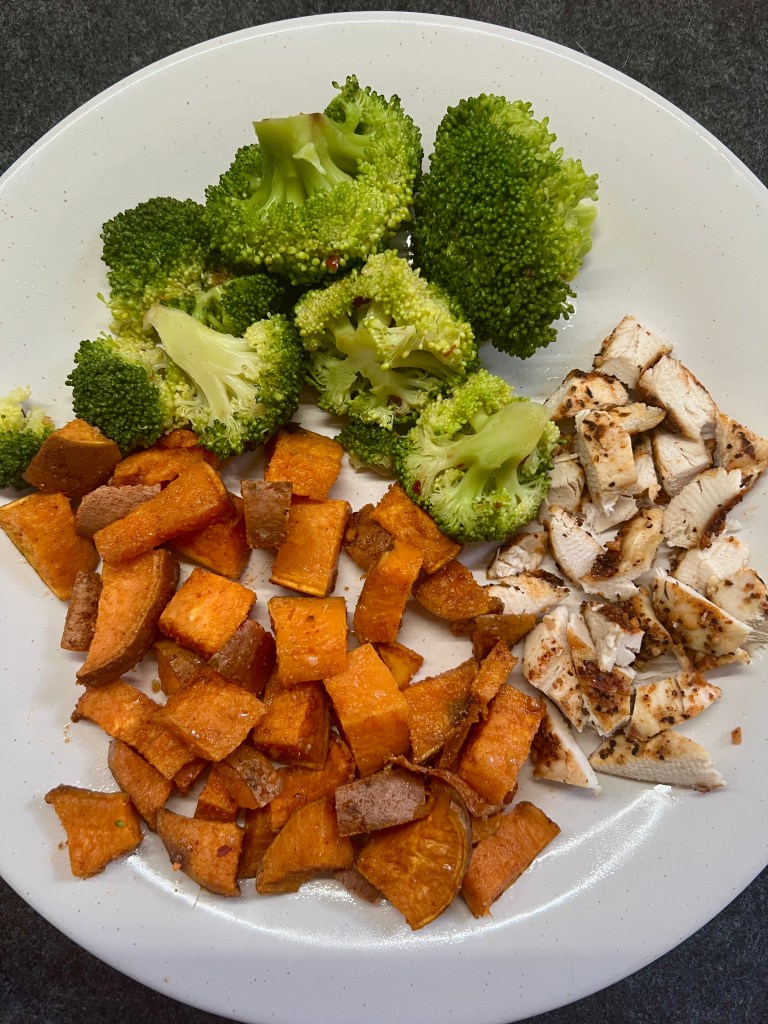

You don’t need to be perfect. Consistently good beats occasionally great every time. That applies not just to diet, but exercise and pretty much every other area of life as well. Many people follow the 80/20 rule when it comes to food, and I’m right there with them. The idea is simple: eat healthy, whole foods about 80% of the time, and give yourself some freedom for the other 20%.
I plan to stick with this 80/20 framework during my recovery too. I have a detailed list of foods I can and can’t eat post-transplant, so my current eating habits will probably need to adjust a bit, but I’m ready to take that challenge on.
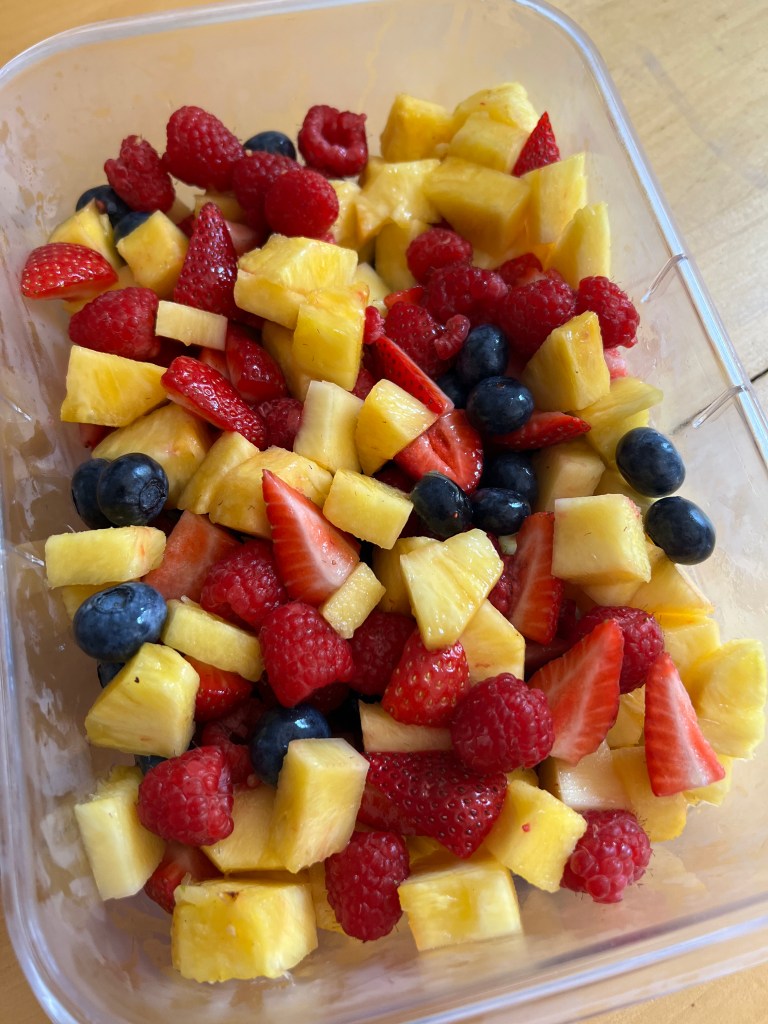


In terms of pre-treatment nutrition, I’ve had to adjust my eating habits quite a bit already these past couple of weeks. While I’m at what I consider to be a “healthy” weight, it’s not necessarily ideal for someone about to undergo a stem cell transplant and all of the accompanying treatment, as most people tend to lose weight over the course of the therapy.
I’m sure I’d still manage, but my care team recommended I try to put on a little extra weight before treatment starts, so I’m doing my best to oblige. Below is where I currently stand weight-wise. My goal is to hit 155 before treatment begins, just to give myself some room to drop if needed.
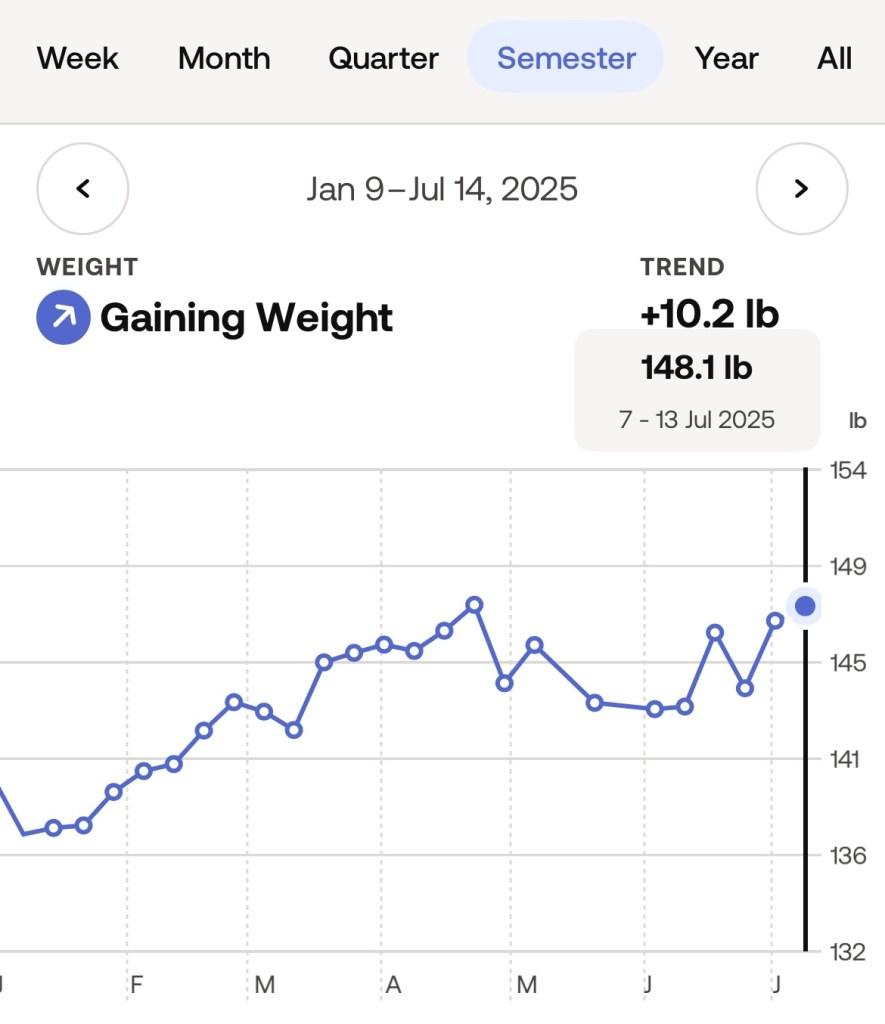
P.S. I just want to add that for the longest time, I didn’t own a scale. Had I realized my weight was dropping into the low 140s, sometimes even the high 130s, I would’ve taken corrective action much sooner. While weight is just a number in many ways, and not always an accurate reflection of body composition or overall health, my starting point earlier this year was definitely lower than I am comfortable with, and not somewhere I’d recommend aiming for. Health is all about balance, and after transplant, I plan to use nutrition to help me strike a better one between my weight and exercise goals.
Bloodwork Trends
While we’re on the topic of my general health, I want to take a moment to look at how my bloodwork has trended over the past year since my first test in April 2024. I’ve shared snapshots in earlier posts, but I think seeing the data in graph form over that stretch of time will offer clearer insight into where I stand now and how my condition has affected my counts throughout the past year or so.
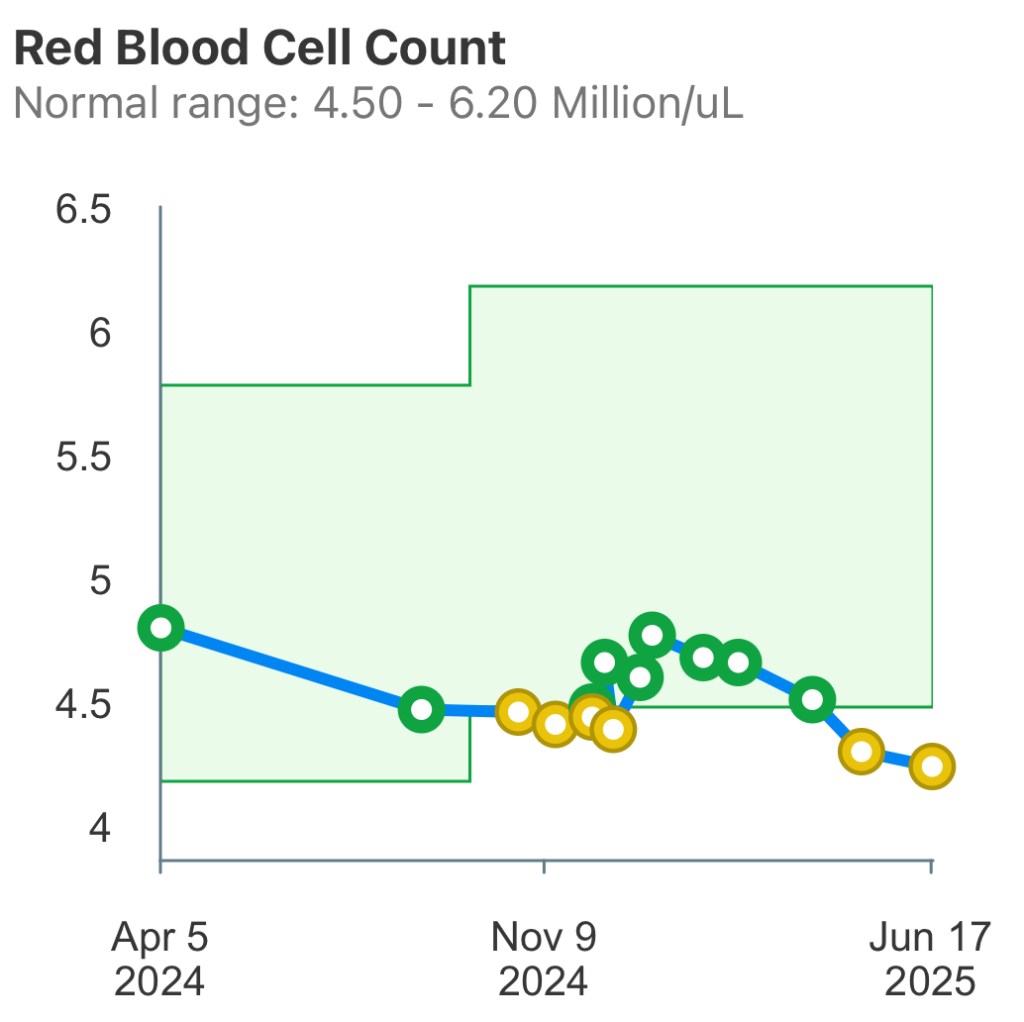

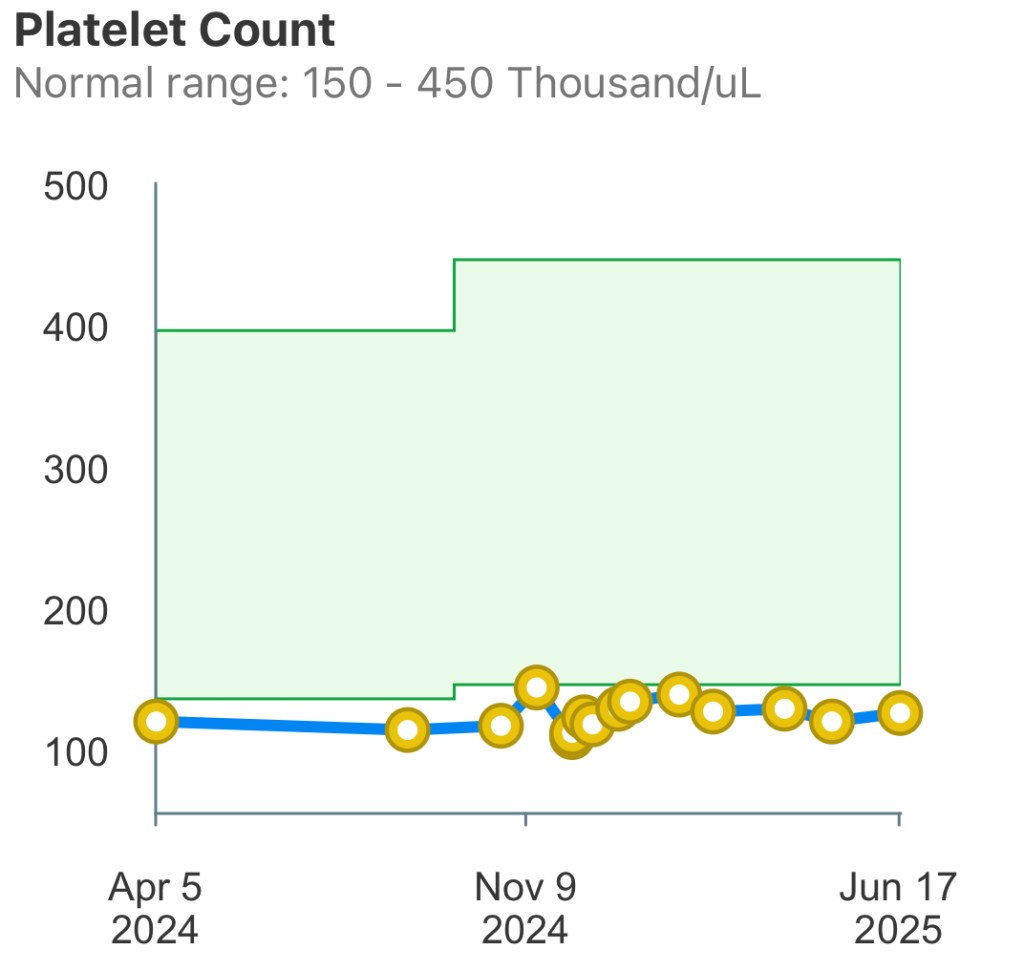
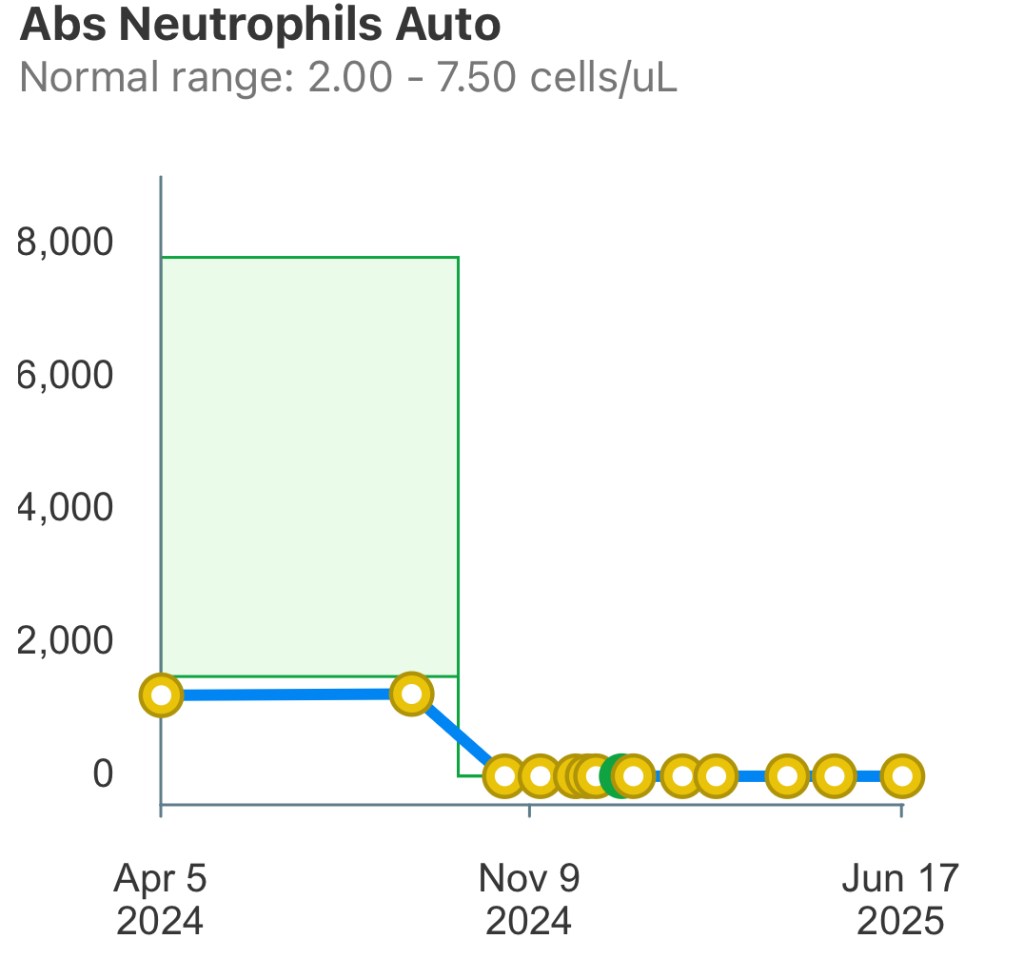
Much like my math grades growing up, my blood counts have been trending downward across the board. Nothing crazy, but still. I bring this up because, while I’m still mostly asymptomatic, I’ve started noticing a bit of fatigue creeping into my daily routine. It’s nothing debilitating, just enough that I sometimes struggle to stay focused later in the day. But I’m still running, and as long as I can keep that up, I won’t complain much.
It’s also important to note my white blood cell trend. White blood cells are basically your immune system’s front line. Luckily, I don’t get sick very often, but with my lower counts, it’s technically more likely. Because of that, I’ve been trying to avoid places that I know are germ-heavy. Not always possible though, so I do my best to keep hand sanitizer handy when out and about. Over the next few weeks, I’ll be doubling down on prevention as getting sick right before transplant is the last thing I want to deal with.
Will My Pre-Transplant Health Make A Difference?
The honest answer to that question is: “I don’t know.” I hope it does. I haven’t started treatment yet, and I’m aware that many patients enter this procedure in decent shape but don’t walk away unscathed. That’s just the reality of stem cell transplants. They can be life-saving, but they’re not guaranteed to go perfectly. They might fix one problem but cause several others. In the end, it all depends.
The history of stem cell transplants has been rocky, to say the least. If you want a great overview of where it all began and how far we’ve come, I highly recommend The Song of the Cell by Siddhartha Mukherjee. The book explores how our understanding of cells has revolutionized disease treatment and how it might shape the future of medicine.
There’s a section near the end specifically about stem cell transplants, but the book also dives into the broader history of modern medicine in a way that’s both accessible and fascinating. I read it earlier this year, and it deepened my appreciation for just how incredible our bodies are… and where they can sometimes falter.

While this procedure comes with its share of uncertainty, it also brings a lot of hope. Advances in this treatment have made stem cell transplants more effective than ever, so if there’s anything I can do to support my care team and improve my chances, I’m all in. That’s essentially what this post is about, how I’ve been, at times unknowingly, improving the odds by taking care of my body long before a health scare forced me to.
I am hoping it will have a positive impact on how my body is able to handle the stress of the transplant.
Post-Transplant Hopes
I’ll keep this part brief as I know I’ve been rambling quite a bit. In short, I hope to get back to my exercise and nutrition habits soon after I’m discharged from the hospital. Is that an ambitious goal? Absolutely. Will I be starting from ground zero? Without a doubt. I don’t expect to be racing half-marathons anytime soon, but I truly believe the sooner I get moving again, the better I’ll feel.
During my hospital stay, I requested to have an exercise bike set up in my room. No guarantees I will get one, as it will depend on availability, but I think it would go a long way in keeping me somewhat sane during my time there. Don’t expect me to be logging Tour de France type mileage, but having that physical and mental outlet will definitely be a welcome break.
I also bought an exercise bike for my apartment. I won’t be back home for a few months, but when I do return, likely towards the end of the year, I figure the best way to support my recovery, without braving the harsh New England winter air, is to stick to indoor workouts. This is just one way I’m trying to plan ahead and get everything in place early, so I can focus on preparing myself to handle what’s ahead.
Long-term, I do have some lofty goals for how I’d like to use my body post-transplant, and how I hope to give meaning to this experience, but I’m not quite ready to share those goals just yet. As with most long-term plans right now, it all depends on how this goes.
I’ll wrap up this section with a quote that’s really shaped my mindset over the past few years:
“Movement is medicine.”
I intend to use it as such.
Closing Thoughts
In short: I run to keep both my mind and body healthy, do bodyweight workouts for strength, and mostly eat whole foods. It really doesn’t have to be more complicated than that. I’m no pro athlete, don’t have a six-pack, and certainly no fancy credentials but this is what works for me. Maybe it could work for you, too.
In the next few posts, I’ll be sharing more about the pre-transplant testing process, along with some of the logistics involved behind planning everything. I’ll be speaking from my own experience about what my testing has consisted of, and what my current plan looks like in terms of hospital admission, post-transplant housing, paid leave, and more. Hopefully, these posts will give you a clearer picture of what the lead-up to transplant can actually look like.
As always, I’d love to hear from you. If you’ve been through this kind of treatment before and have any tips, please share them. I’m all ears. I know I’ll be an active participant in my own recovery, and that’s something I’m genuinely excited about. This journey might knock me down harder than I’ve ever been, but thanks to the foundation I’ve built, I trust I’ll be able to pick myself back up and go again.
Talk soon,
– Ethan
Resources
External links directly referenced in this article:
- https://peterattiamd.com
- https://peterattiamd.com/outlive/
- https://health.clevelandclinic.org/what-is-vo2-max-and-how-to-calculate-it
- https://michaelpollan.com/books/in-defense-of-food/
- https://michaelpollan.com/
- https://www.webmd.com/diet/ss/slideshow-80-20-weekend-diet
- https://www.withings.com/us/en/body-smart
- https://www.simonandschuster.com/books/The-Song-of-the-Cell/Siddhartha-Mukherjee/9781982117368
 Long Way From Home
Leave a comment