Over the past year and a half, leaning into my creative hobbies of writing, photography, and journaling has been one of the most important tools I’ve had throughout my treatment and recovery.
They gave me a way to process what was happening, document my experience, and maintain a sense of forward momentum during a time when so much was outside of my control.
Looking back, the value didn’t come from engaging in these creative hobbies with the goal of creating something worth sharing. The value came from the act of continuing to create in general, despite the circumstances.
That is mainly what we’ll be talking about today.
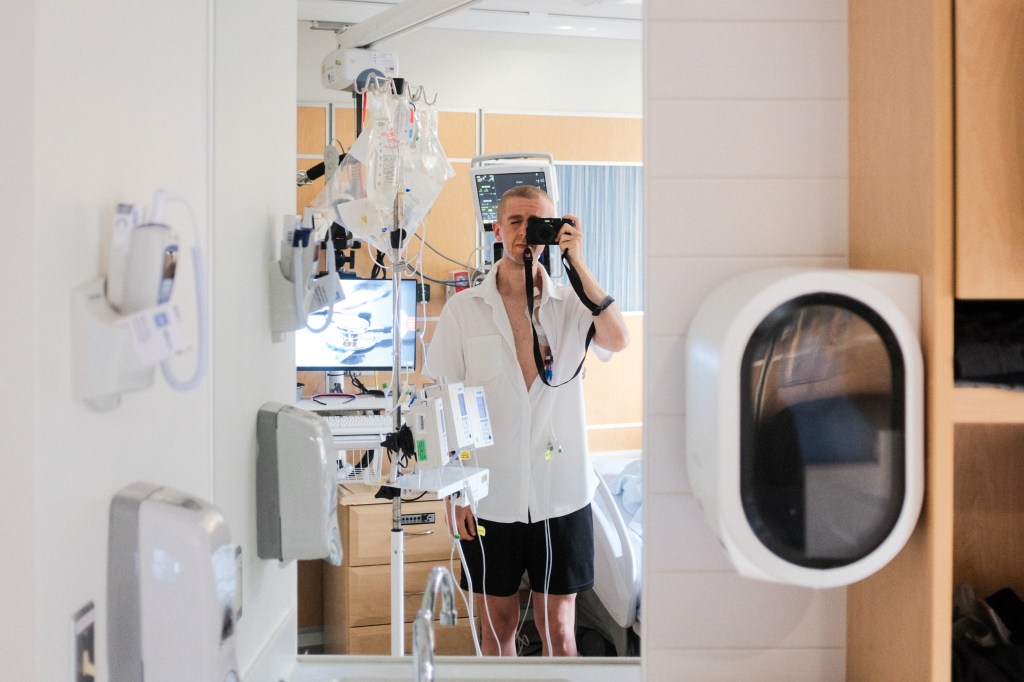
Create To Process, Not Escape
When I talk about the idea of creating and having creative outlets, I don’t necessarily mean something you can escape into when things get overwhelming. A lot of creative hobbies absolutely offer that, but I think there is another benefit that is not immediately apparent when you choose to create during difficult times in your life.
It is how it allows you to actively process what you are going through.
After my diagnosis, my journal became my main outlet for just about everything. It didn’t offer escape so much as a place where I could unpack everything in real time and better understand what was going on and how I was feeling about it all.
It forced me to make my thoughts and feelings tangible instead of letting them run wild through my mind.

Through that process, I very quickly learned that when an issue arises in your life that is impossible to ignore, it is often better to engage with it rather than try to find the most effective way to ignore it, if only for your own sanity.
Reclaiming Control
Initially, the thought of writing and documenting my experience publicly did not cross my mind at all. In fact, I think the opposite happened. I was told what was happening, and my first instinct was to close ranks.
I had my reasons for that. To put it plainly, I was terrified of what could happen. But the thought of telling others and asking them to help me carry the burden felt just as scary to me as the idea of receiving the transplant itself.
I didn’t feel like I had the sort of relationships that could bear the strain of that ask, so, barring a few exceptions, I didn’t.
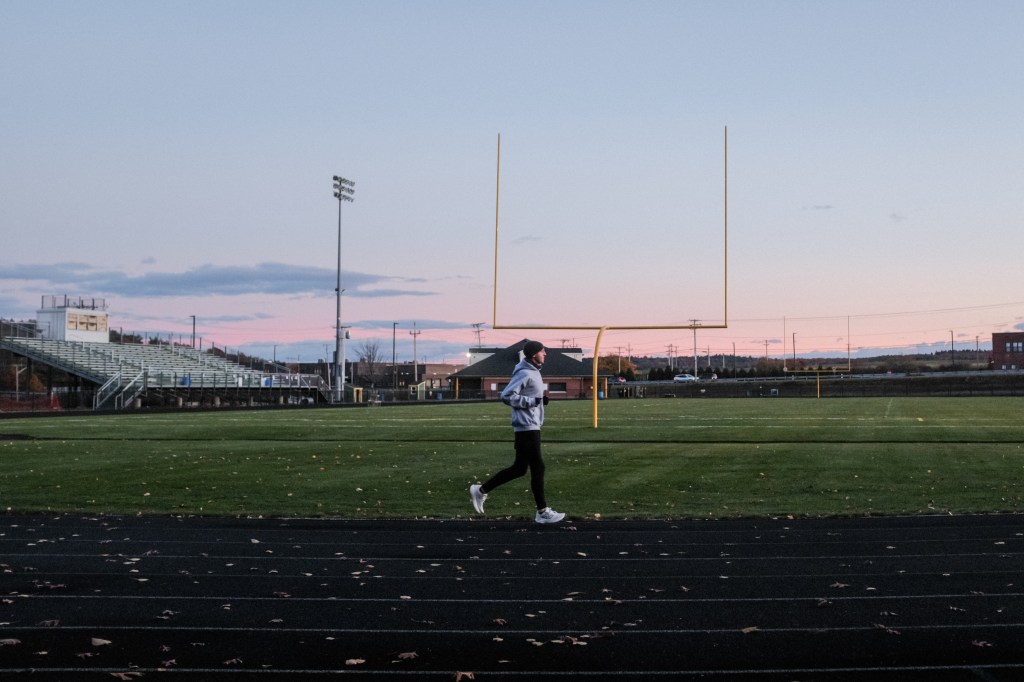
That’s not to say I didn’t share my thoughts and feelings with anyone though. My family were definitely on the front line of that, but as I spoke about above, I also wrote a lot during that time.
The practice of journaling allowed me to cut through the noise a bit, and because of that, the leap from journaling to writing for this blog came naturally. I already found myself writing more often than not as I learned more about everything, to the point that sharing what I had been learning felt like the logical next step.
It was also therapeutic. I was taking something that was happening to me and trying to turn it into something positive, something that would help someone else. That carried a lot of weight for me, and it is something that still motivates me to write even a year or so on.
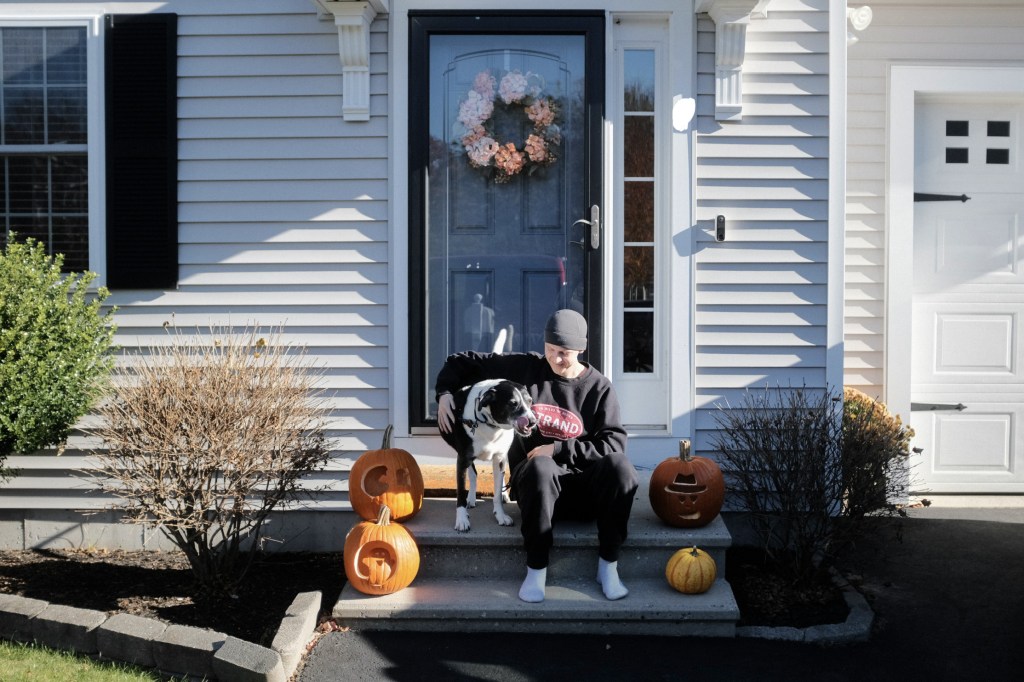
The Importance of Projects
The choice not to initially share my diagnosis or my writing with my network allowed me to start thinking about how I might want to share my experience one day when the time felt more right.
It was something I knew I wanted to arrive at in my own time and in my own way, and I am very thankful to those around me who honored my request to do that.
With that in mind, I chose to make a project out of it. A creative exercise I could focus on during my recovery that was separate from the more clinical writing and documenting I was doing for the blog.
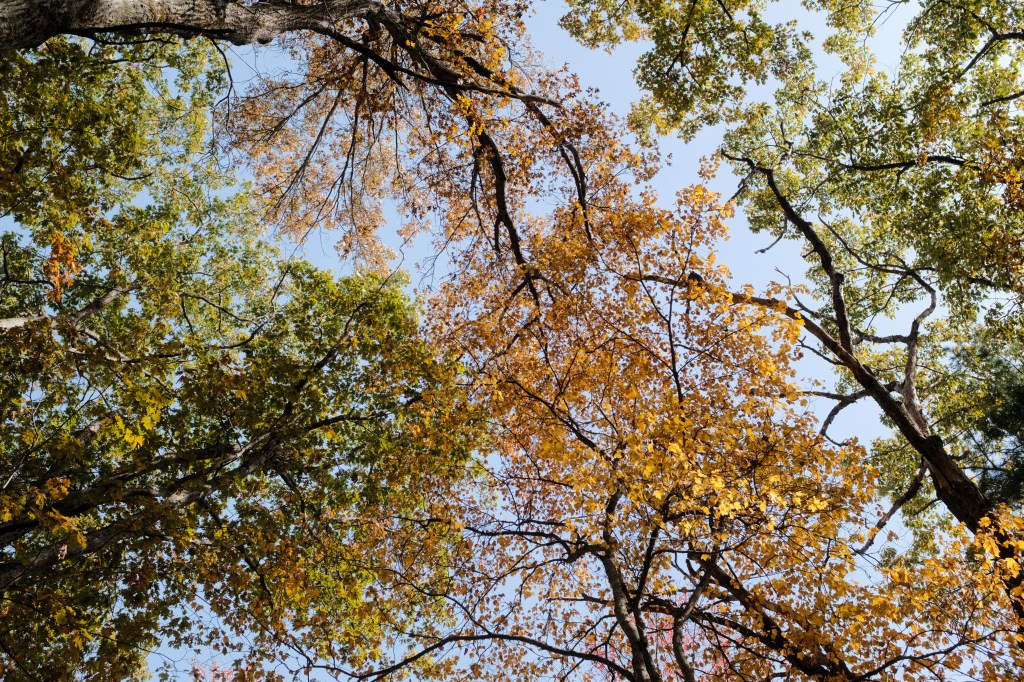
I started drafting the words I would say after I got out of the hospital and continued taking photos of moments both big and small as I started to get back on my feet.
Having this focus really helped me during some of the lower moments, if only to remind me that someday I would feel better than I did in that moment, and that I would be able to share my story from a position of relative health instead of sickness.
That project eventually culminated in a set of 12 photos, most of which are on display throughout this post, and a short read, which I shared with everyone roughly four months post-transplant. It can be viewed here.
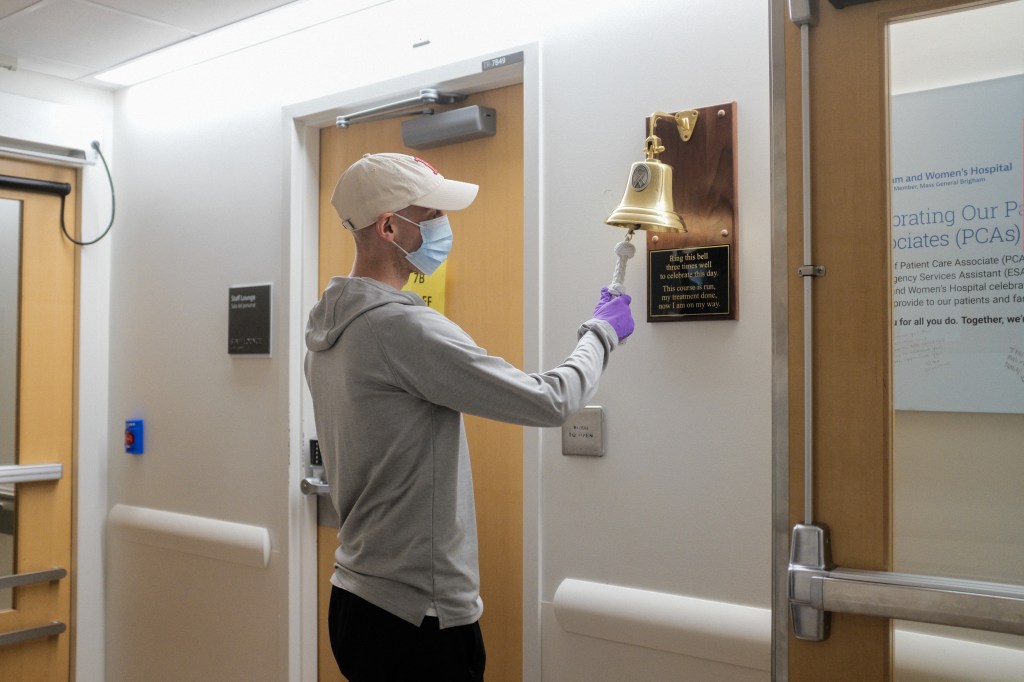
The value of that share came from all the time I spent working on the photos and writing, not necessarily from how the post itself landed.
It’s in how I chose to document my experience in my own way and share it on my own terms, instead of letting my anxiety and health dictate everything, as it more or less did for the entirety of last year.
It offered me a little sliver of control and authorship over my own situation that I held onto very tightly.
Forward Motion
Something I picked up on early in all this is that when control is hard to come by, you still need to find ways to move forward. You need to keep putting one foot in front of the other, regardless of how little you feel like doing so.
I’d argue, through my own experience and that of many others, that choosing to create can act as a sort of counterbalance to that loss of control.
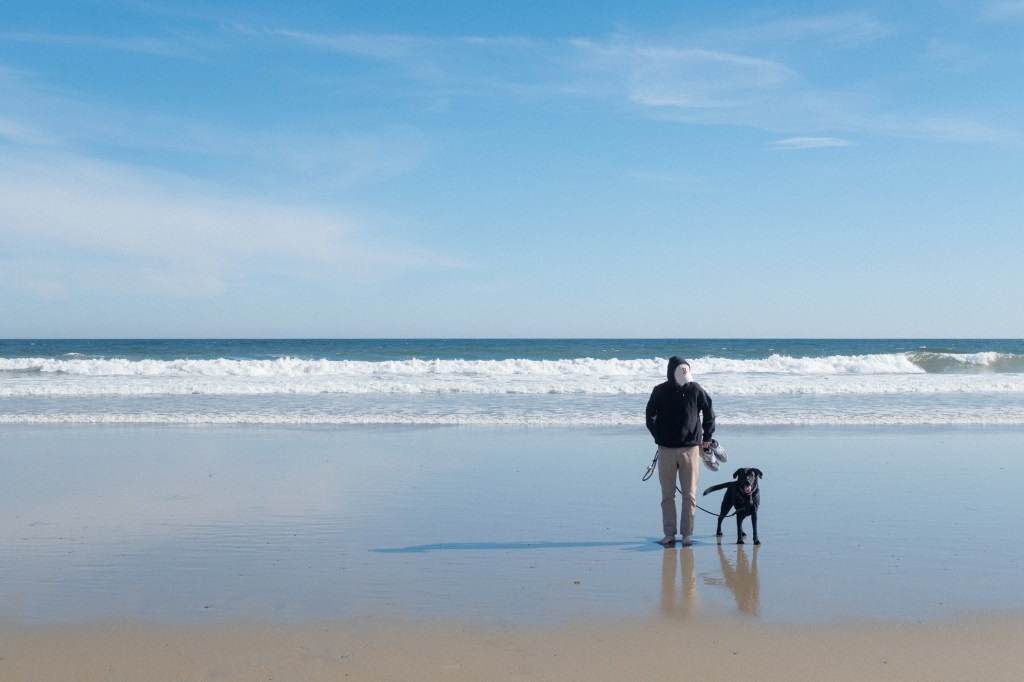
Every time you write something down, take a photograph, or work on a project, you take part in something that only moves forward because of your own effort.
The activity matters less than the fact that, despite everything, you are still building or creating something.
Artistic achievement is not really the goal. The goal is to remind yourself that you are still here, and to show yourself that you can still grow and find moments of progress even while navigating difficult circumstances.
No Audience Required
I recently finished Rick Rubin’s The Creative Act: A Way of Being. It’s a beautiful book, with plenty of anecdotes and advice for those looking to embrace a more creative lifestyle.

One of the themes repeated throughout the book is the idea that you do not need an audience to validate your creation. First and foremost, creating art should be for your own desire and wellbeing.
You should love what you create and create what you love.
I chose to share my experience because I think it might help others. I have enjoyed writing and documenting my experience this way more than I initially thought possible, but that does not mean there would not be value in my writing and my photos if I never shared them.
My photos would be just as special to me if they never left my camera, and the same goes for my journal entries and these posts I have chosen to share with you all.
To create is both the start and the finish line. The value is in the process itself.
Evidence That Life Continued
Next month will be my one year anniversary of receiving my transplant, and that naturally has me in a reflective space.
I look back on all the photos I have taken, the journal entries, and the posts I drafted and shared, and I see evidence that I managed not only to get through it, but to create alongside the challenges I faced.
My transplant was a major part of my year, but by choosing to create through the whole process, I am reminded that it was not the entirety of it.
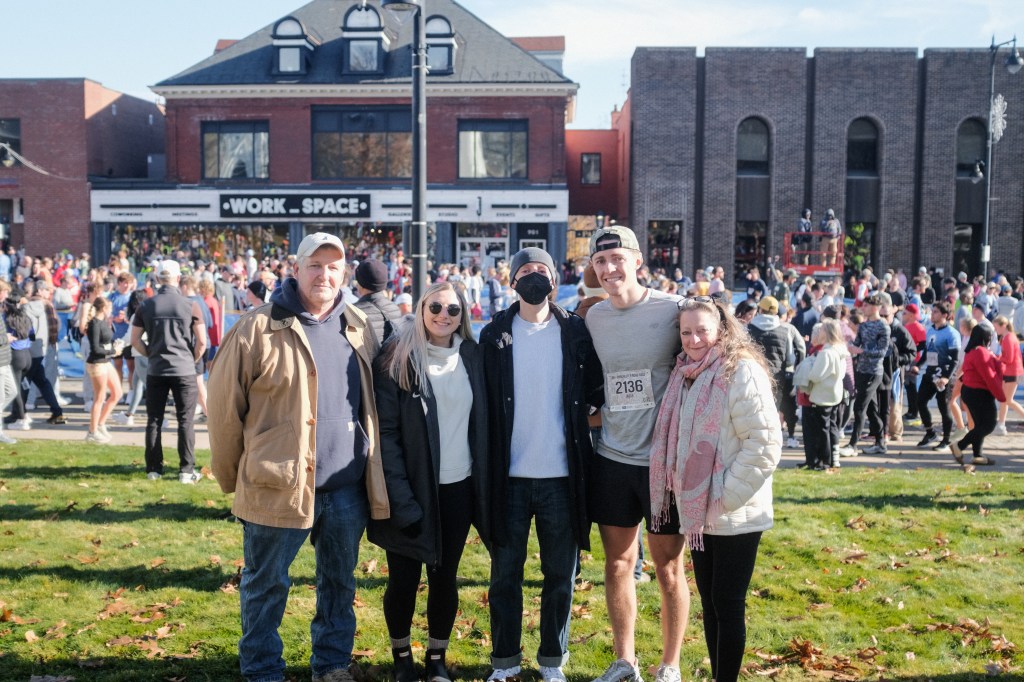
I have a written and visual record of all the moments in between. The moments where I found joy, laughed, and spent time with family.
Evidence of a life being lived not just survived.
Talk Soon,
Ethan
Resources
External links directly referenced in this article:
- My Social Media Post
- Rick Rubin
- The Creative Act


Leave a Reply